Marrakech, Morocco

Marrakech

MoroccoAfrica

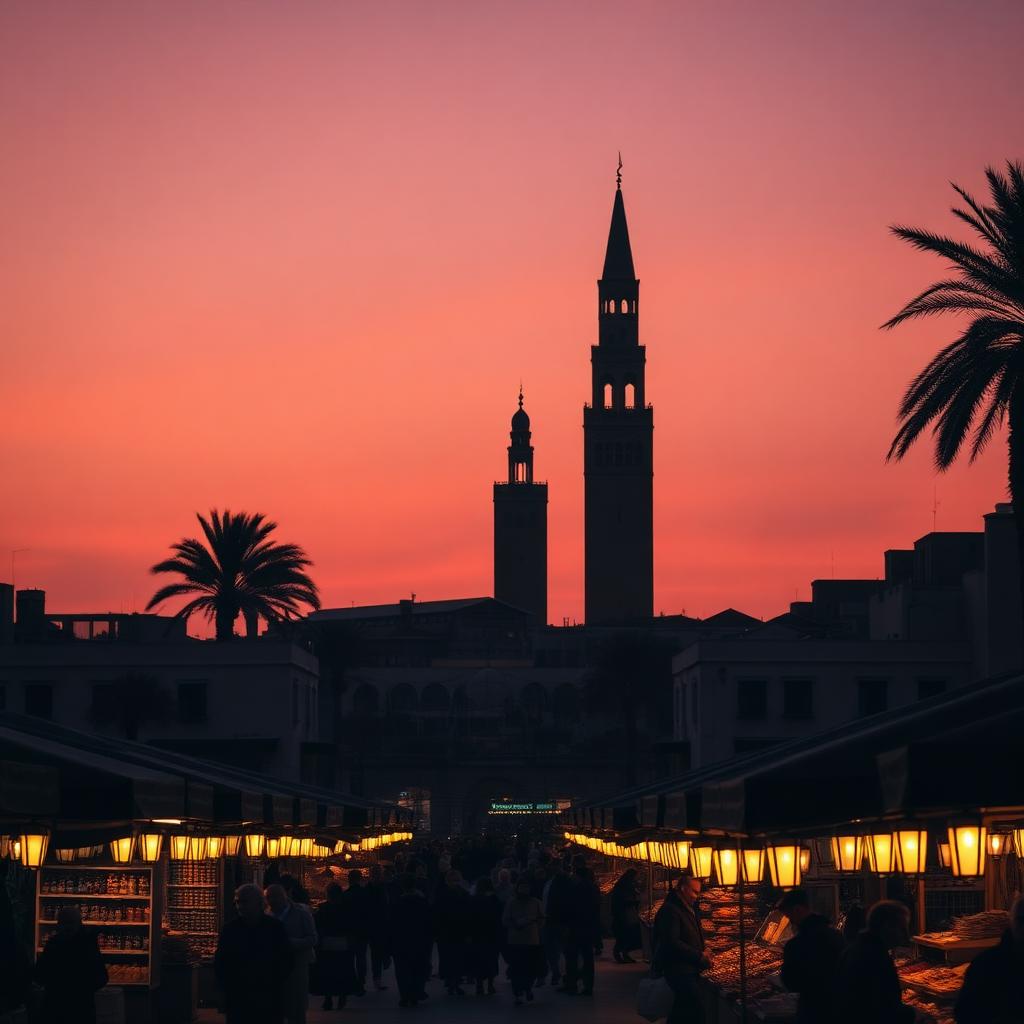
Marrakech is a feast for every sense at once. Step into the medina, the ancient walled old city, and you're swept into a labyrinth of souks where the air is thick with the scent of spices, leather and mint tea, where artisans hammer brass and dye wool in jewel colours, and where the great square of Jemaa el-Fnaa erupts each evening into a carnival of food stalls, musicians, and storytellers under the glow of lanterns. Beyond the walls lie tranquil palaces, exquisite tiled courtyards, and gardens of cobalt blue, with the snow-capped Atlas Mountains shimmering on the horizon. It's intoxicating, chaotic, and utterly unforgettable. For the budget traveller, Marrakech is a gift, one of the best-value major destinations in the region. Morocco as a whole is remarkably affordable, and the single greatest pleasure here, staying in a riad (a traditional courtyard house) in the heart of the medina, costs a fraction of what comparable character would anywhere in Europe. The street food is delicious and cheap, the city is walkable, and wandering the souks and the great square costs nothing. The one thing to master is Marrakech's two-price system, the gap between what locals pay and what tourists are quoted, since a little knowledge keeps your money going much further. We'll show you exactly how.
Best time to visit

The best times to visit are spring (March to May) and autumn (September to November), when the weather is warm and pleasant for exploring, ideal for the long days of walking the medina demands. These are also the peak seasons, when riad prices are highest. Summer (June to August) brings fierce heat, often well above 38C, which makes the city punishing by midday, though prices ease. Winter (December to February) is mild and damp, with cool evenings, and is the cheapest time to visit, with February the best-value month of all as airfares from Europe hit their lowest. Avoid the Easter, Christmas and New Year periods, and the two Eid holidays, when prices spike and availability tightens.

What it costs

Per person, per day, not counting flights.

Backpacker

around £25 to £40 a day. That covers a hostel dorm or basic riad room at £16 to £32, street food and local meals, walking and the odd petit taxi, and a couple of monument entries. Riad rooms are priced per room, so couples pay barely more than a solo traveller.

Mid-range

around £55 to £90 a day. This allows a comfortable mid-range riad at £40 to £72 (often with breakfast and a rooftop terrace), restaurant meals, and a guided excursion or two.

Luxury

£130 a day and up, and Marrakech's high-end riads and palace hotels are spectacular value compared to their Western equivalents.

Things to do in Marrakech

Tour listings load once you accept cookies.

A place to visit in Marrakech

Hand-picked experiences we'd actually recommend. Tap any one to read more and book.

activity

Experience Jemaa el-Fnaa after dark

The great square at the heart of the medina is the beating soul of Marrakech, and it transforms as the sun goes down. By day it's a busy open space, but each evening it erupts into a sensory carnival: dozens of food stalls firing up grills, musicians and drummers, storytellers, henna artists, and crowds of locals and visitors alike. It's free to soak up, and the energy is electric. Eat at the stalls, watch from a rooftop café terrace overlooking the chaos, and simply take it all in. We'll point you to the best vantage points and the food stalls worth seeking out.

activity

Get lost in the souks

The labyrinth of covered markets spreading north from the main square is one of the world's great shopping experiences, whether or not you buy a thing. Wander past stalls piled high with lanterns, leather, carpets, spices, ceramics and slippers, watch artisans at work in the craft quarters, and let yourself get pleasantly lost in the maze. Haggling is expected and part of the fun, so start low and keep it friendly. Mornings are calmer if you want to browse in peace. We'll share tips on navigating the souks and bargaining without stress, plus where to find the fairest prices.

activity

Visit the palaces, gardens and madrasa

Beyond the bustle, Marrakech holds serene treasures worth the modest entry fees. The Bahia Palace dazzles with its painted ceilings and tiled courtyards, the Ben Youssef Madrasa is a masterpiece of geometric tilework, and the cobalt-blue Jardin Majorelle, restored by Yves Saint Laurent, is an oasis of calm and colour. The Saadian Tombs are another atmospheric stop. Each charges a small fee, so pick the ones that appeal most if your time or budget is short. Note that non-Muslims can admire the great Koutoubia Mosque only from its gardens. We'll suggest which sights to prioritise and how to group them.

food

Taste Moroccan food and take a cooking class

Moroccan cuisine is one of the world's great food traditions, and Marrakech is the place to dive in. Feast on slow-cooked tagines, fluffy couscous, harira soup, grilled meats, and sweet mint tea, from the street stalls of the square to atmospheric medina restaurants. A cooking class is a wonderful, affordable way to learn the dishes and the spices, usually starting with a market tour. As ever, eat where the locals eat for the best value and flavour, away from the tourist spots on the main square. We'll point you to the dishes to try and the best-value places to eat them.

tour

Escape to the Sahara or the Atlas Mountains

Marrakech is the gateway to some of Morocco's most spectacular scenery. To the south, the Sahara beckons: an overnight desert tour takes you to camp among the dunes, ride camels at sunset, and sleep under a blanket of stars, one of the country's signature experiences and surprisingly affordable. Closer by, the High Atlas Mountains offer day trips to Berber villages, waterfalls, and trails, with the dramatic kasbah of Aït Benhaddou en route. You can book either through your riad or a reputable operator. We'll help you weigh the overnight Sahara trip against an Atlas day trip and what each involves.

Frequently asked questions

Marrakech is very affordable. Backpackers manage on 35-50 EUR a day and a comfortable mid-range trip with a riad, restaurant meals, a hammam and a day-trip runs 90-160 EUR a day. Riads offer better value and atmosphere than international hotels for the same money.

Three days for Marrakech itself. That covers the Medina and Jemaa el-Fnaa, the souks, Bahia Palace and Ben Youssef Madrasa, Yves Saint Laurent Gardens, and a hammam afternoon. Add days for Atlas Mountains, Essaouira or an Agafay desert night.

March to May and September to November are ideal, with warm days and cool evenings. June to August gets extremely hot, often 40C or more in the medina. December to February is cool and can be chilly at night but very pleasant during the day.

Marrakech is generally safe from violent crime but relentless in the souks with touts, unofficial guides and photograph-then-demand-money scams in Jemaa el-Fnaa. Ignore anyone offering unrequested directions, do not photograph performers or snake charmers unless paying, and solo women should expect frequent unwanted attention.

A traditional riad inside the Medina is the classic choice and much more atmospheric than a modern hotel. Stay near Bahia Palace or the Jewish Mellah for calm, or nearer Jemaa el-Fnaa for buzz. Gueliz (the new city) is quieter, more modern and cheaper by taxi to sights.

A single-day trip only reaches the stony Agafay desert, not the classic dunes. Overnight tours to Erg Chebbi (Merzouga) via the Atlas take two nights minimum and are the real Sahara experience. If you cannot spare the time, Agafay by camel or quad at sunset is a scenic if less iconic alternative.