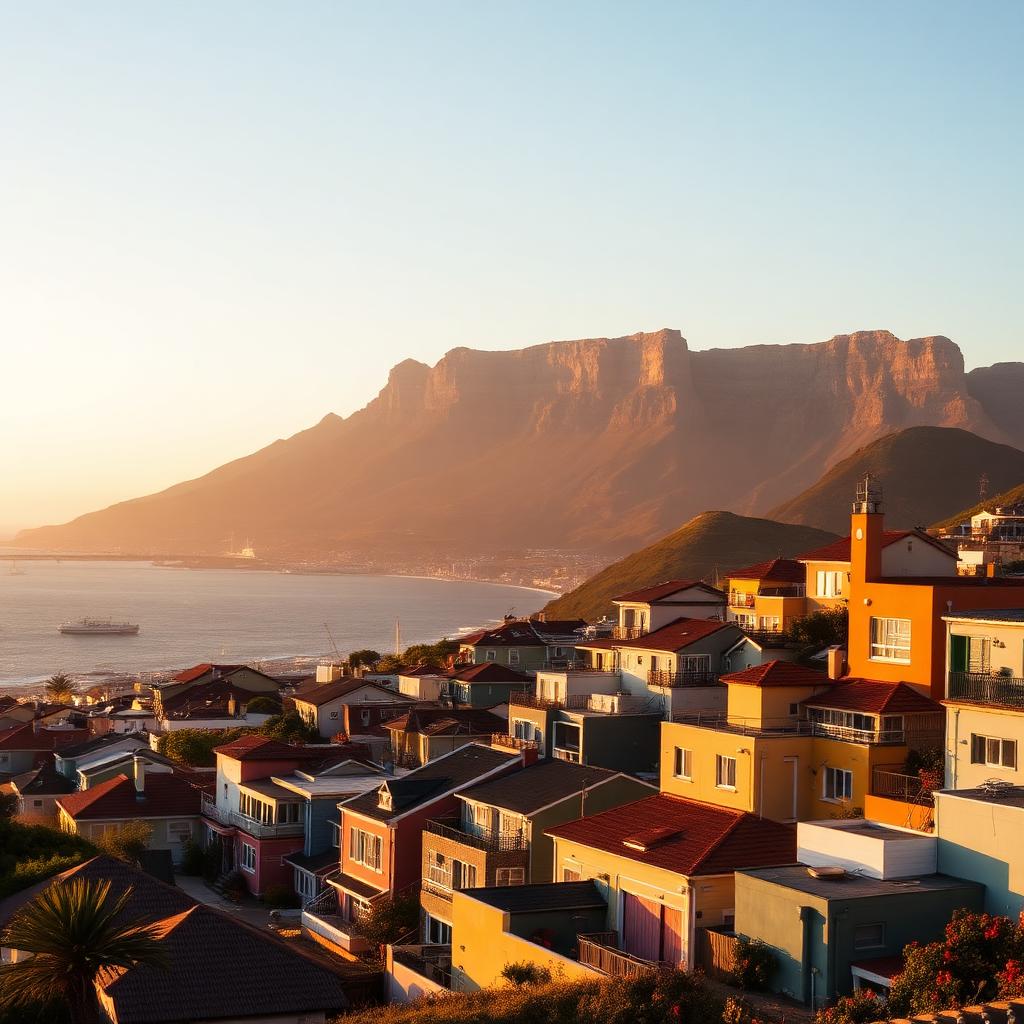
Cape Town, South Africa

Cape Town

South AfricaAfrica

Cape Town might be the most beautiful city on earth. The flat-topped massif of Table Mountain rises straight up behind the city centre, flanked by Lion's Head and Devil's Peak, while below it the city tumbles down to white-sand beaches and two oceans meeting at the tip of the continent. Add world-class food and wine, a layered and moving history, penguins on the beach, and some of the most spectacular coastal drives anywhere, and you have a place that captivates almost everyone who visits. They don't call it the Mother City for nothing. For the budget traveller, Cape Town is a revelation, because so much of what makes it extraordinary is free. The favourable exchange rate means money from the pound, euro or dollar stretches a long way here, and the city's greatest experiences, hiking Table Mountain, lazing on the beaches, walking the coast, wandering the colourful Bo-Kaap, cost nothing at all. You can eat brilliantly for a few pounds, stay in a great hostel in a prime spot, and live a life that would feel luxurious at home for a modest daily budget. There's a real backpacker scene here, and it's one of the best-value world-class cities going. We'll show you how to make the most of it, safely and cheaply.

Best time to visit

Cape Town's seasons are flipped, as it's in the southern hemisphere. The peak is summer (December to February), with warm, dry, beautiful weather, but it's also the busiest and by far the most expensive time, with prices between Christmas and New Year at their absolute highest and accommodation booked out months ahead. The sweet spot is the shoulder seasons of March to May and September to November, with mild weather, fewer crowds, and prices well below peak. For the deepest savings, come in winter (June to August), when hotel and guesthouse rates drop 30 to 50%, though you'll trade that for cooler, wetter, more changeable weather (with plenty of clear days still). Spring also brings whale-watching season along the coast.

What it costs

Per person, per day, not counting flights.

Backpacker

around £35 to £55 a day. That covers a hostel dorm at £14 to £25 in a central area, self-catering and cheap local meals, ride-hailing or the MyCiTi bus, and the city's many free attractions.

Mid-range

around £90 to £150 a day. This allows a comfortable guesthouse or hotel at £60 to £130, restaurant meals, car hire or regular Ubers, and the major paid attractions and a wine tour.

Luxury

£280 a day and up, and Cape Town's high-end hotels and lodges are spectacular value by global standards.

Things to do in Cape Town

Tour listings load once you accept cookies.

A place to visit in Cape Town

Hand-picked experiences we'd actually recommend. Tap any one to read more and book.

activity

Climb or ride up Table Mountain

The city's iconic flat-topped mountain is the must-do, and the views from the top over the city, the coast and the two oceans are simply breathtaking. The budget way up is to hike it, with several trails (Platteklip Gorge is the most direct) rewarding a few hours' effort for free, then take the cableway down. Or ride the rotating cable car both ways for an easier trip. Go early on a clear day, since cloud (the famous "tablecloth") can close the cableway and hide the views. We'll explain the hiking routes, the cableway options, and how to time it well.

activity

Visit Robben Island and the city's history

A ferry from the V&A Waterfront takes you to Robben Island, the prison where Nelson Mandela spent much of his 27 years of incarceration, now a moving museum led by former political prisoners themselves. It's one of the most powerful historical experiences in the country. Pair it with a wander through the colourful Bo-Kaap neighbourhood and the District Six Museum to understand Cape Town's complex past. Book the Robben Island ferry well ahead, as it sells out. We'll explain how to book, the cost, and how to combine these into a meaningful day.

activity

Beach days and the Cape Peninsula drive

Cape Town's coastline is glorious and mostly free. Sun yourself at the trendy Camps Bay and Clifton beaches beneath the Twelve Apostles, or head down the spectacular Cape Peninsula to Boulders Beach, home to a colony of African penguins, and on to the dramatic cliffs of Cape Point, where the peninsula plunges into the sea. Hiring a car for a day to drive the peninsula, taking in Chapman's Peak Drive, is one of the great road trips anywhere. We'll map out the peninsula route, the best beaches, and which stops are free versus paid.

food

Eat and drink your way through the Mother City

Cape Town is a genuine food and wine destination, and you can eat superbly at every budget. Try a Gatsby (a giant local sandwich that can feed several), bunny chow, and braai (barbecue), graze the food markets like the Old Biscuit Mill on a Saturday, and enjoy fresh seafood by the harbour. Local wine and craft beer are excellent and cheap by international standards. The trick, as ever, is to eat where locals eat, away from the Waterfront prices. We'll point you to the markets, the local dishes, and the best-value places to enjoy them.

tour

Taste the Cape Winelands

Just outside the city lie the Cape Winelands, the historic wine region around Stellenbosch, Franschhoek and Paarl, where Cape Dutch estates set among the mountains offer tastings for a fraction of what you'd pay elsewhere in the world. A day trip out here, touring a few estates with lunch among the vines, is one of the highlights of any Cape Town visit, and superb value. You can join an organised wine tour (sensible if you want to taste freely) or drive yourself. The Franschhoek wine tram is a fun, relaxed way to hop between estates. We'll help you plan a winelands day and choose between touring options.

Frequently asked questions

Cape Town is excellent value for a world-class city. Backpackers get by on 45-65 USD a day and a mid-range trip with a nice hotel, car hire, restaurants and wineland day runs 130-200 USD a day. Wine, food and safaris are all much cheaper than European or American equivalents.

Five days is a good length. That covers Table Mountain, Cape Point and Boulders Beach penguins, the V and A Waterfront, Bo-Kaap and Kirstenbosch, plus a full day in Stellenbosch or Franschhoek winelands. Add days for shark cage diving, Robben Island or a longer wine-country stay.

November to March is the summer high season with warm dry weather, ideal for beaches and wine tours. April, May, September and October are shoulder seasons with fewer crowds and still-good weather. Winter (June-August) is wetter and windier but great for whale watching in Hermanus.

Central tourist areas of Cape Town are safe by day and generally fine at night, but the wider city has serious crime. Stick to the City Bowl, Sea Point, Camps Bay, V and A Waterfront and the Atlantic Seaboard. Uber everywhere after dark, do not walk alone at night, and avoid displaying valuables.

Yes, book Table Mountain cableway tickets online in advance and check the weather that morning. The cableway closes in high wind, which is common. Buying online skips a long queue at the base. Alternatively, hike up Platteklip Gorge if you are fit and start early to avoid the heat.

Cape Town is a great first Africa trip. It has world-class food, wine and scenery, easy self-drive infrastructure and English is spoken everywhere. Combine it with a Kruger or Botswana safari for a bigger African experience, or pair it with the Garden Route for a two-week South Africa itinerary.