Siem Reap, Cambodia

Siem Reap

CambodiaAsia

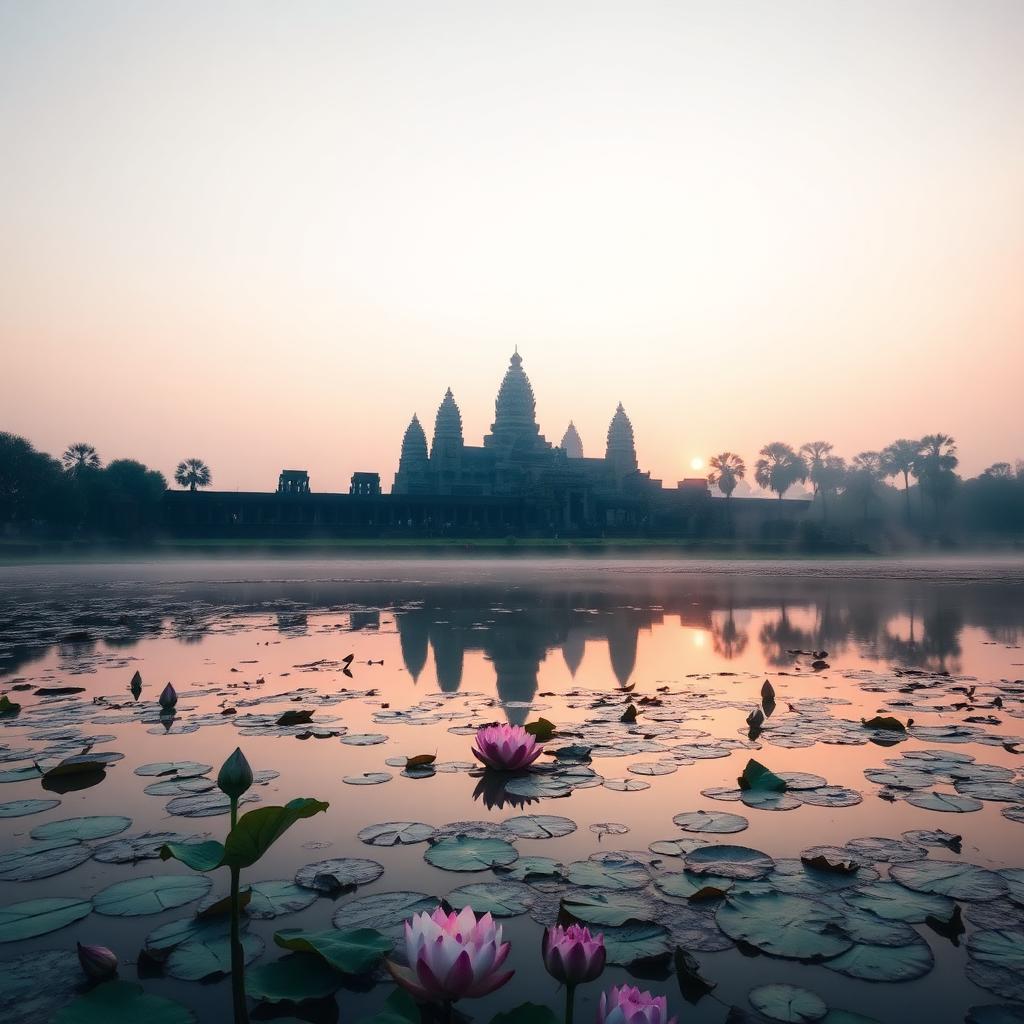
Siem Reap exists for one staggering reason: it's the gateway to Angkor, the largest religious monument on earth and one of the true wonders of the world. Just outside this laid-back Cambodian town lies a vast complex of ancient temples rising from the jungle, the iconic Angkor Wat, the enigmatic stone faces of Bayon, and Ta Prohm, where giant tree roots strangle the ruins in a scene straight from a film set. Watching the sun rise over Angkor Wat's silhouette is one of those travel moments that stays with you for life. The town itself is a friendly, easygoing base built around the temples, with a buzzing night market, the famous Pub Street, good cheap food, and a growing café scene. Here's the honest budget picture: Cambodia is one of the cheapest countries in Southeast Asia, and Siem Reap delivers world-wonder temples alongside two-dollar meals and five-dollar dorm beds. The one genuine cost that stands out is the Angkor pass, which is a real chunk of money and the single biggest line in most travellers' budgets. But spread across a few days of exploring one of humanity's greatest achievements, it's worth every cent. We'll show you how to do the rest of the trip cheaply so the pass feels like the splurge it deserves to be.

Best time to visit

The cool, dry season from November to February is the most comfortable time to visit, with pleasant temperatures for temple-exploring, though it's also peak season, when prices run at least 20% higher and the famous sunrise gets crowded. March to May is the hot season, when temperatures soar and the temples become punishing by midday. The wet season from June to October brings afternoon downpours, lush green surroundings, far fewer crowds, and accommodation discounts of up to 40%, making it excellent value if you don't mind some rain and plan temple visits for the mornings. Whenever you go, start early to beat both the heat and the crowds.

What it costs

Per person, per day, not counting flights.

Backpacker

around £12 to £25 a day. That covers a dorm at £4 to £7, street food and market meals, shared tuk-tuks or a hired bicycle, and a cheap beer or two. Cambodia is one of the most affordable countries in the region for backpackers.

Mid-range

around £40 to £75 a day. This allows a comfortable air-conditioned room or boutique hotel (often with a pool) at £15 to £35, a mix of local and Western meals, and a private tuk-tuk driver to take you around the temples.

Luxury

£90 a day and up, with genuinely beautiful boutique hotels and colonial-style resorts at prices far below their Western equivalents.

Things to do in Siem Reap

Tour listings load once you accept cookies.

A place to visit in Siem Reap

Hand-picked experiences we'd actually recommend. Tap any one to read more and book.

activity

Sunrise over Angkor Wat

This is the reason most people come, and it lives up to every expectation. Arriving in the dark to watch the sun rise behind the five towers of Angkor Wat, reflected in the lily ponds, is one of the great travel experiences anywhere. It's busy, so arrive early to claim a spot by the water, bring a torch, and dress respectfully (shoulders and knees covered, which is enforced at the temple). The moment the sky turns pink behind those ancient silhouettes is unforgettable. We'll tell you exactly where to stand and how early to arrive for the best of it.

activity

Explore the wider temples of Angkor

Angkor Wat is just the beginning. The vast archaeological park holds dozens of temples, and the highlights beyond the main event are extraordinary: the Bayon temple with its serene giant stone faces, and Ta Prohm, the jungle temple where enormous tree roots engulf the ruins. Most people cover these on the Little Circuit and Big Circuit routes over a couple of days with a tuk-tuk driver. Pace yourself, since temple fatigue is real in the heat. We'll suggest which temples to prioritise and how to plan your days to avoid both crowds and burnout.

activity

Understand the history at the Angkor National Museum and beyond

To make sense of what you're seeing among the ruins, the Angkor National Museum in town gives excellent context on the rise of the Khmer empire, how and why the temples were built, and the religion behind them. Siem Reap also offers sobering, important insight into Cambodia's more recent history, including the legacy of the landmine era at the Landmine Museum outside town. These cost only a few dollars and deepen the whole experience. We'll point you to the most worthwhile museums and cultural stops to round out your temple days.

food

Eat Khmer food and brave the night market

Cambodian food is underrated and very cheap once you step away from the tourist strips. Try fish amok, the national dish of creamy coconut curry, lok lak (stir-fried beef), and Khmer noodle soups, ideally at a local restaurant a few blocks from Pub Street where prices halve. The night markets are perfect for cheap grazing, with skewers and full plates for a dollar or two. A Khmer cooking class is a fun, affordable way to learn the dishes. We'll point you to the best-value local eateries and what to order.

tour

Visit the floating villages of Tonle Sap

For a complete contrast to the temples, the floating villages on the great Tonle Sap lake offer a glimpse of an entirely different way of life, where homes, schools and shops sit on stilts or float on the water, rising and falling with the seasons. A half-day boat trip takes you out among them. Choose a responsible operator and a less touristy village like Kampong Phluk to avoid the more exploitative setups. It's an eye-opening, affordable trip that balances the grandeur of Angkor with everyday Cambodian life. We'll explain which village to choose and how to arrange it fairly.

Frequently asked questions

Siem Reap is very cheap. Backpackers manage on 25-40 USD a day and a comfortable mid-range trip with a boutique hotel, tuk-tuk driver, restaurants and Angkor pass runs 60-110 USD a day. The three-day Angkor Archaeological Park pass at 62 USD is the single biggest cost.

Three nights minimum, four is better. Two full days at Angkor (a big-circuit and a small-circuit day, or by preference) plus a day for Tonle Sap, a cooking class or Banteay Srei, plus arrival and departure evenings for Pub Street or the Old Market. Angkor deserves the three-day pass.

November to February is the cool, dry season and by far the most comfortable. March to May gets very hot (35C+ at Angkor is brutal). June to October is the rainy season — hot, humid and often wet but everything is green and the moats around Angkor Wat reflect properly.

A guide for at least one day is highly recommended — Angkor is vast and the history transforms the ruins. Hire an English-speaking licensed guide through your hotel for the first day, then explore day two and three with just a tuk-tuk driver. Sunrise at Angkor Wat is best with a guide who knows where to stand.

Siem Reap is generally safe with low violent crime. Main issues are opportunistic bag-snatching on scooters in Pub Street area, dodgy money-exchange, and persistent tuk-tuk drivers and touts around Angkor. Standard travel sense handles it. Solo women are generally fine with normal precautions.

Shoulders and knees must be covered to climb the upper level of Angkor Wat and to enter many temples. Bring a lightweight long-sleeve shirt and light trousers or a long skirt, plus a hat and a lot of water. Sturdy shoes matter for the uneven steps and steep temple staircases.