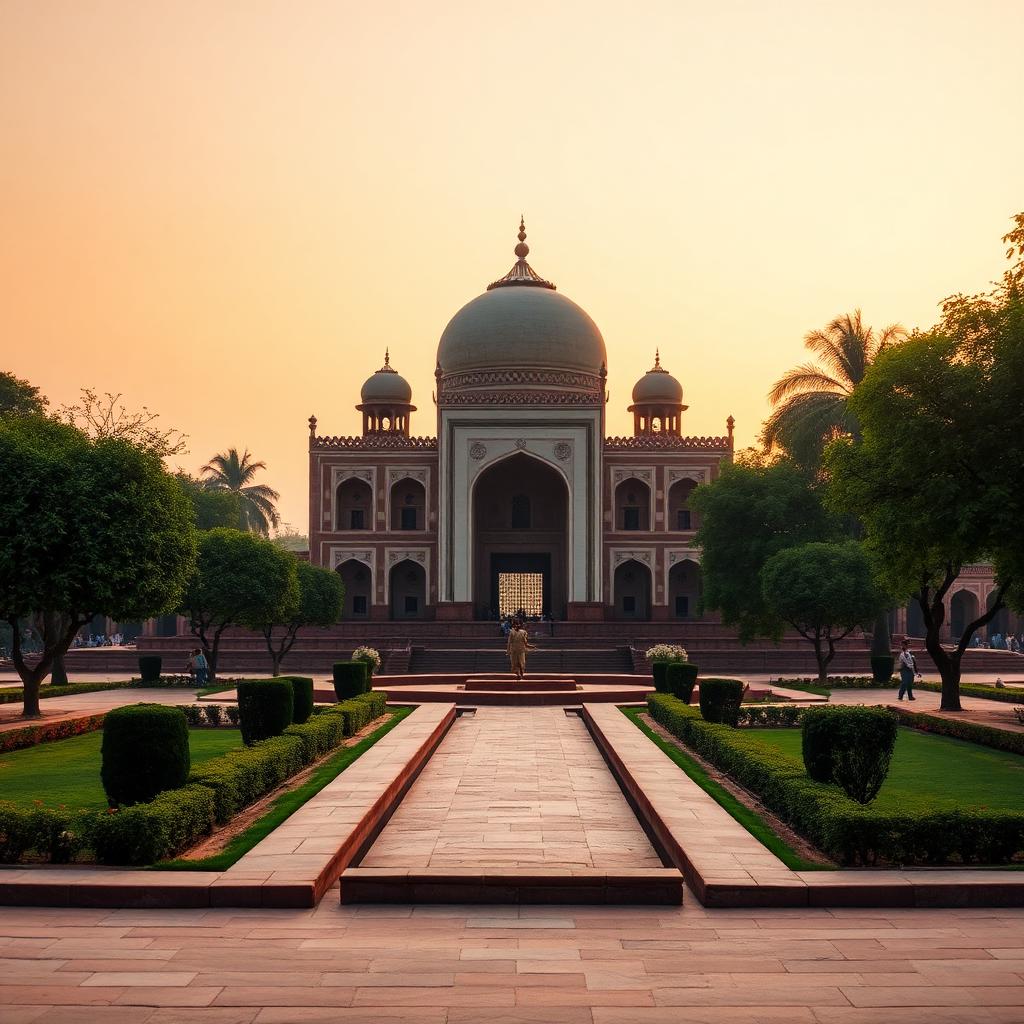
Delhi, India

Delhi

IndiaAsia

Delhi is a full-body experience. India's vast, ancient capital assaults every sense at once: the scent of spices and street food, the blare of horns, the swirl of colour, the layers of history piled one on top of another across a thousand years. This is a city of Mughal emperors and British viceroys, of soaring red-sandstone forts and white marble tombs, of frantic bazaars where you can buy anything imaginable and quiet gardens where the chaos suddenly falls away. It can overwhelm you on day one and captivate you by day two, and it's the great gateway to northern India and the famous Golden Triangle. For the budget traveller, Delhi is extraordinary value, one of the cheapest major cities in the world. India as a whole remains a backpacker's dream despite prices creeping up, and Delhi delivers world-class history, unforgettable food, and a clean, cheap metro for a fraction of what you'd spend almost anywhere else. A plate of the best street food of your life costs a pound or two, grand monuments charge modest entry fees, and many of the city's most beautiful spots are free. Delhi rewards the traveller who comes with an open mind, a bit of patience, and a willingness to dive in. We'll show you how to navigate it well and cheaply, and how to sidestep the scams that target newcomers.


Best time to visit

The best time to visit is the cool, dry season from October to March, when the weather is pleasant for sightseeing, though December and January can bring chilly mornings and occasional fog that disrupts flights and trains. This is also peak season, when hotel prices run 20 to 30% higher, and certain events can send rates briefly soaring, so book ahead. Avoid the brutal heat of April to June, when temperatures regularly top 40C and air conditioning shifts from luxury to necessity. The monsoon from July to September brings humidity and downpours but also the lowest prices, with hotel rates dropping up to 40%. One thing to be aware of year-round: Delhi's air quality is poor, and worst in late autumn after the harvest burning, so those sensitive to pollution may prefer winter's clearer spells or spring.

What it costs

Per person, per day, not counting flights.

Backpacker

around £14 to £30 a day. That covers a hostel dorm or basic guesthouse room at £4 to £15, street food and local restaurant meals, the excellent cheap metro and rickshaws, and modest monument entry fees.

Mid-range

around £45 to £90 a day. This allows a comfortable three or four-star hotel at £25 to £65, a mix of local and restaurant dining, occasional private drivers, and all the major sights.

Luxury

£150 a day and up, and Delhi's heritage and palace hotels are world-class for the price.

Things to do in Delhi

Tour listings load once you accept cookies.

A place to visit in Delhi

Hand-picked experiences we'd actually recommend. Tap any one to read more and book.

activity

Explore Old Delhi and the Red Fort

The beating heart of Mughal Delhi, Old Delhi is a glorious sensory overload of narrow lanes, spice markets, and street food, crowned by two great monuments: the mighty Red Fort, the sandstone palace-fortress of the Mughal emperors, and the vast Jama Masjid, India's largest mosque, which is free to enter (with a small camera fee). Dive into the chaos of Chandni Chowk bazaar, ideally on foot or by cycle-rickshaw. It's overwhelming and wonderful in equal measure. We'll map out a route through Old Delhi's highlights and the best street-food stops along the way.

activity

Marvel at Humayun's Tomb and Qutub Minar

Delhi's two UNESCO World Heritage sites are among its most beautiful and peaceful. Humayun's Tomb, a magnificent Mughal garden-tomb of red sandstone and white marble, is widely regarded as the architectural forerunner of the Taj Mahal, and far quieter. The towering Qutub Minar, the tallest brick minaret in the world, dates back over 800 years and stands amid atmospheric ancient ruins. Both charge modest entry fees and reward an unhurried visit. We'll suggest the best times to go and how to pair them with other nearby sights.

activity

Find calm at the free temples and gardens

For all its intensity, Delhi has serene corners that cost nothing. The stunning Lotus Temple, shaped like a vast white flower, welcomes visitors of all faiths for quiet meditation, free of charge. The India Gate war memorial and its surrounding lawns are a free and popular spot to stroll, especially in the evening. The grand Akshardham Temple complex is another free marvel of modern craftsmanship. These free, peaceful places offer a gentle counterpoint to the bazaars. We'll point you to the best of them and the etiquette for visiting India's temples respectfully.

food

Feast on Delhi's legendary street food

Eating is one of the great joys of Delhi, and the city's street food is world-famous and astonishingly cheap. Graze your way through chaat (tangy savoury snacks), butter chicken, kebabs, parathas, and finish with sweet jalebi or kulfi, mostly for a pound or two a plate. Old Delhi is the epicentre, but every neighbourhood has its gems. The golden rule for a happy stomach: eat where it's busy and freshly cooked. A guided food tour is a brilliant and safe way to dive in, or follow our pointers and the local crowds. The flavours here are unforgettable.

tour

A day trip to Agra and the Taj Mahal

No visit to this corner of India is complete without the Taj Mahal, and it's an easy day trip from Delhi. The fast Gatimaan Express train whisks you to Agra in around 100 minutes, where the world's most famous monument, a breathtaking white marble mausoleum built for love, awaits along with the magnificent Agra Fort. You can do it independently by train for very little, or take an organised tour with transport and a guide sorted. Go early to see the Taj in soft morning light and beat the crowds. We'll explain how to do the trip affordably by train and what tickets you'll need.

Frequently asked questions

Delhi is very cheap for foreign visitors. Backpackers manage on 20-30 USD a day and a comfortable mid-range trip with a good hotel, driver and guided sightseeing runs 70-130 USD a day. Hiring a car with driver for the day costs 20-40 USD and is the sanest way to get around.

Two to three days for Delhi itself. One day for Old Delhi (Jama Masjid, Red Fort, Chandni Chowk), one for New Delhi (Humayun's Tomb, Lodhi Gardens, Qutub Minar) and India Gate, and one to slow down or day-trip. Most people combine Delhi with Agra and Jaipur as the Golden Triangle.

October to March is the comfortable season. December and January can get foggy and chilly at night but daytime is pleasant. Avoid April to June when it regularly exceeds 40C, and the July-September monsoon which brings heavy rain and humidity.

Delhi is safe from violent crime but requires more awareness than other Indian cities. Use Uber or pre-booked cars rather than street auto-rickshaws, especially at night. Solo women should avoid walking alone after dark and choose hotels in Karol Bagh, Connaught Place, Aerocity or south Delhi neighbourhoods.

Delhi's air quality is genuinely bad from October to February. Check AQI daily, bring N95 masks and consider air-purifying rooms in your hotel. Asthmatics and people with respiratory conditions should think carefully about visiting in winter. September and March are usually more breathable.

A guide or car-and-driver is strongly recommended for a first visit. Delhi's scale, traffic and hassle at the main sights are overwhelming solo, and a good guide unlocks the history that makes places like Humayun's Tomb worthwhile. Book through your hotel or a reputable agency.