
Tokyo, Japan

Tokyo

JapanAsia

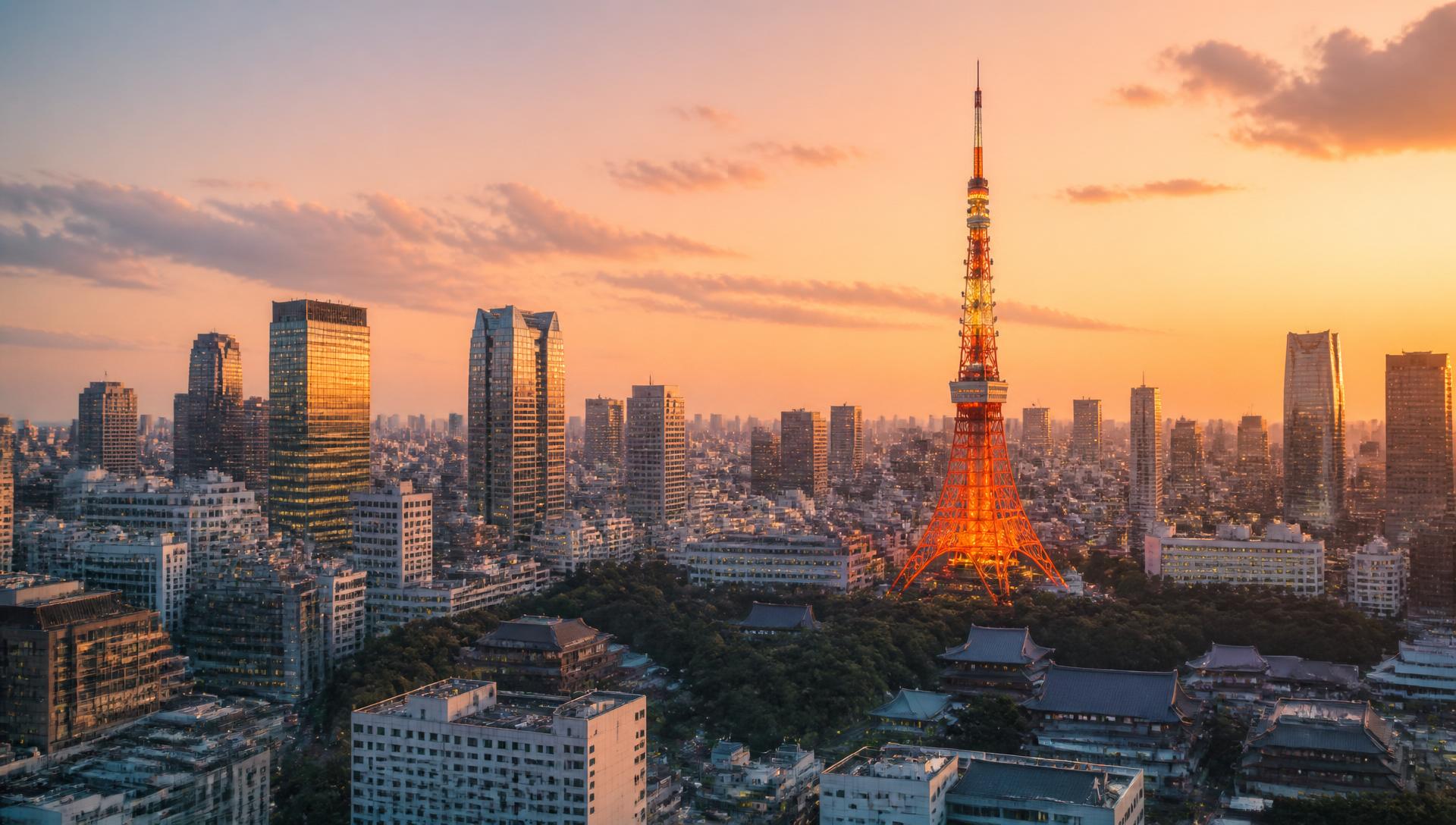
Tokyo feels like the future and the past existing in the same breath. Neon-soaked streets and towering skyscrapers sit a short walk from centuries-old shrines and quiet wooden teahouses. It's the most populous city on earth, yet it's spotless, calm, and astonishingly easy to get around. One minute you're in the sensory overload of a Shibuya crossing, the next you're wandering a hushed temple garden or slurping the best bowl of ramen of your life at a counter that seats six. It can feel overwhelming on arrival, and then it quietly becomes one of the most rewarding cities you'll ever visit. Here's the part that surprises people: Tokyo is far more affordable than its reputation suggests, and 2026 is one of the cheapest times to visit in years thanks to the weak yen. Yes, it's a premium city, but it offers genuinely brilliant value where it counts. A perfect bowl of ramen costs around three pounds, a spotless capsule-hotel bed is cheaper than a hostel in much of Europe, the public transport is a marvel, and many of the city's greatest pleasures, the shrines, the parks, the neighbourhoods, the people-watching, are completely free. The trick is to splurge wisely and save on the basics. We'll show you how.

Best time to visit

The shoulder seasons of late spring and autumn are the best time to visit. Spring brings the famous cherry blossom (late March to mid-April), which is magical but the priciest and busiest time, with accommodation rates often doubling. Autumn (October to early December) delivers gorgeous foliage, comfortable temperatures, and thinner crowds. Late May and June (before the heavy rains) offer lower prices and fewer people. Avoid the three big domestic holiday periods when prices spike and the country travels en masse: Golden Week (late April to early May), Obon (mid-August), and New Year. Winter is cold but clear, quiet, and cheaper, with the bonus of cosy hot-spring baths.

What it costs

Per person, per day, not counting flights.

Backpacker

around €65 to €100 a day. That covers a hostel dorm or capsule at ¥2,500 to ¥5,000, convenience-store and casual meals, a subway pass, and free shrines and parks.

Mid-range

around €130 to €230 a day. This allows a clean business hotel (small but immaculate, often with breakfast) at ¥6,000 to ¥12,000, a mix of casual eateries and a nicer dinner, and several paid attractions.

Luxury

€330 a day and up.

Things to do in Tokyo

Tour listings load once you accept cookies.

A place to visit in Tokyo

Hand-picked experiences we'd actually recommend. Tap any one to read more and book.

activity

Experience the Shibuya Crossing and neon nightlife

The Shibuya Scramble is the world's busiest pedestrian crossing and the beating heart of modern Tokyo, a tide of people surging across in every direction beneath giant screens and neon. It's completely free to experience, and the view from the upstairs window of the nearby Starbucks (for the price of a coffee) is the classic vantage point. Wander on into the neon-lit streets of Shinjuku and the youthful buzz of Harajuku. It's Tokyo at its most electric, and it costs nothing to soak up. We'll point you to the best free viewpoints and the streets worth getting lost in.

activity

Find calm at Senso-ji and Meiji Shrine

For all its futuristic energy, Tokyo's soul lies in its temples and shrines, and the greatest are free to visit. Senso-ji in Asakusa is the city's oldest temple, approached through a vibrant street of traditional stalls, while the Meiji Shrine sits in a vast, tranquil forest in the heart of the city, a world away from the surrounding bustle. Both are free, atmospheric, and beautiful, especially early in the morning before the crowds. We'll suggest the best times to visit and how to combine each with the neighbourhood around it.

food

Eat your way from konbini to conveyor-belt sushi

Tokyo may be the best food city on earth, and you can eat superbly at every price. Start with the surprisingly excellent convenience-store onigiri and bento, graduate to a steaming bowl of ramen at a counter (around ¥800), try conveyor-belt sushi where plates are priced by colour, and brave an izakaya pub for small plates and a drink. The famous Tsukiji Outer Market is a feast for browsing and street snacks. A food tour is a great way in, or simply follow the queues of locals. This is where Tokyo gives the most for the least.

activity

Wander the neighbourhoods, from old-town to electric-town

Tokyo is really a collection of distinct villages, and exploring them on foot is the best free thing to do. Drift through the retro lanes and traditional shops of Yanaka and old-town Asakusa, geek out in the electronics and anime wonderland of Akihabara, browse the trend-setting boutiques of Harajuku, and find quiet in the gardens of the Imperial Palace. Each neighbourhood has its own character, and the joy is simply in the wandering. We'll map out a few walking routes that string together the most rewarding districts.

tour

A day trip to Mount Fuji or the temples of Nikko

Tokyo is a brilliant base for two classic day trips. On a clear day you can head out towards Mount Fuji and the lakes of Hakone, with its hot springs and views of the iconic peak. Alternatively, the temple town of Nikko, a short train ride north, is a UNESCO site of dazzling shrines set among forests and waterfalls. Both can be done independently by train, or as an organised tour if you'd rather have the logistics handled. We'll help you decide which suits your trip and how to do each affordably by rail.

Frequently asked questions

Tokyo is cheaper than most visitors expect. Backpackers manage on 8,000-11,000 JPY a day and a comfortable mid-range trip with a good hotel, restaurants and attractions runs 22,000-35,000 JPY a day. Convenience-store meals, ramen shops and the metro are excellent value. Alcohol and high-end sushi are the biggest splurges.

Five days is the sweet spot for a first visit. That covers Shibuya, Shinjuku, Harajuku, Asakusa and Senso-ji, Akihabara, teamLab, plus a day-trip to Nikko or Kamakura. Six or seven days lets you slow down and add Yokohama or Mount Fuji.

Late March to early April for cherry blossom and mid-November for autumn colours are the two magic windows and by far the busiest and priciest. May and October are excellent alternatives. Summer is hot and humid; winter is cool and dry with clear Mount Fuji views.

Tokyo is one of the safest cities in the world. Violent crime is negligible and lost wallets frequently get returned intact. Main things to note are strict rules on quiet in trains, no eating while walking, and don't tip. Solo travellers, including women, can safely walk anywhere at any hour.

The metro and JR trains are world-class — clean, punctual, English-signposted and cover everywhere useful. Get a Suica or Pasmo IC card on arrival (or add Suica to Apple Wallet) and tap for everything. The JR Pass only makes sense if you are taking multiple shinkansen trips outside Tokyo.

No, English signage and translation apps make Tokyo very manageable. Restaurant staff may not speak English but menus often have photos or plastic food displays. Learning arigato and sumimasen is polite. A translation app on your phone handles anything you cannot point at.