
Petra, Jordan

Petra

JordanAsia

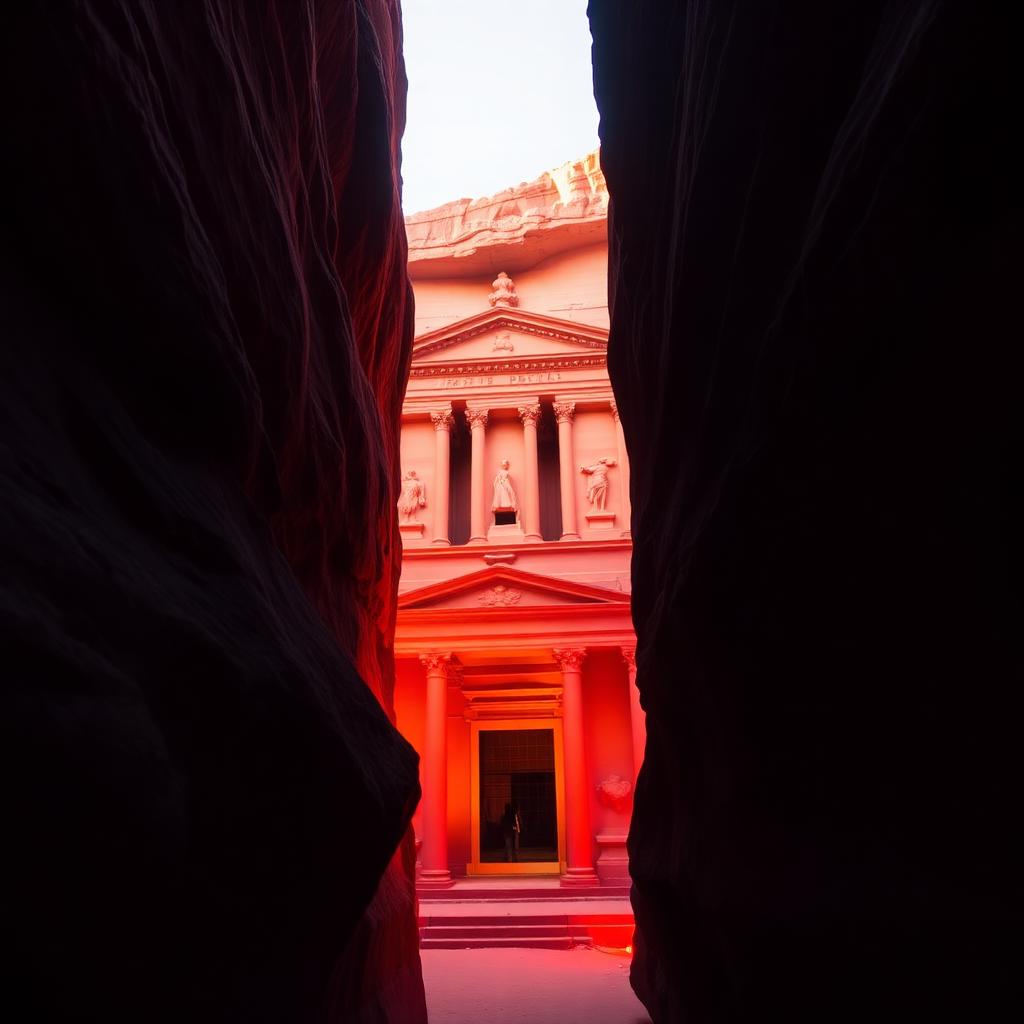
Petra is the kind of place that makes the hair stand up on your arms. You walk for over a kilometre through the Siq, a narrow, winding gorge with sheer rock walls towering a hundred metres overhead, and then, through a sliver of light at the end, the Treasury appears: an enormous temple facade carved straight into the rose-coloured cliff two thousand years ago. It's a moment of pure wonder, and it's only the beginning. Beyond it lies a whole lost city of the Nabataeans, hundreds of tombs, temples, and monuments cut into the desert mountains, spread across a vast site you could explore for days. Here's the honest budget picture: Jordan is one of the pricier countries in the Middle East, and Petra's entry ticket is a significant, fixed cost, the single biggest line in most travellers' budgets here. But there's a clever way to soften it, the Jordan Pass, which bundles the Petra ticket with your visa fee and dozens of other sites, and pays for itself almost instantly. Beyond that ticket, the base town of Wadi Musa is reasonable, the food is good and cheap if you eat where locals do, and the wonder itself, once you're inside, is yours to roam for free. We'll show you how to handle the big cost smartly and do the rest of the trip affordably.

Best time to visit

The best times to visit are the shoulder seasons of spring (March to May) and autumn (September to November), when the desert weather is pleasant for the long days of walking and climbing that Petra demands, with comfortable temperatures around 20 to 25C. These are also the peak months, when hotel prices in Wadi Musa are highest. Summer (June to August) brings fierce desert heat that makes the exposed site punishing by midday, though prices drop. Winter (December to February) can be surprisingly cold, wet, and occasionally even snowy in the desert, but it's the cheapest time and the site is quietest. Whenever you go, start at opening time to beat both the heat and the tour groups.

What it costs

Per person, per day, not counting flights.

Backpacker

around £30 to £50 a day. That covers a hostel dorm or basic guesthouse at £15 to £35, local meals like falafel and shawarma, shared transport, and water and snacks carried into the site.

Mid-range

around £70 to £120 a day. This allows a comfortable three or four-star hotel at £50 to £95, restaurant meals, and extras like the Petra by Night show or a guide.

Luxury

£180 a day and up, including the high-end resorts near the site.

Things to do in Petra

Tour listings load once you accept cookies.

A place to visit in Petra

Hand-picked experiences we'd actually recommend. Tap any one to read more and book.

activity

Walk the Siq to the Treasury

This is the moment everyone comes for, and it never disappoints. The walk begins with a long, atmospheric passage through the Siq, a narrow canyon winding between cliffs that rise sheer on either side, the anticipation building with every step. Then the Treasury reveals itself through the gap, its vast carved facade glowing in the morning light. Arrive at opening time to experience it with the fewest people and the best light, before the tour groups arrive. It's the most famous view in Jordan and it's included in your ticket. We'll tell you exactly when to arrive and where to stand for that first unforgettable glimpse.

activity

Hike up to the Monastery

Beyond the Treasury, Petra opens into a vast site, and its second great wonder takes a climb to reach. The Monastery (Ad-Deir) is even larger than the Treasury, and reaching it means climbing around 800 ancient rock-cut steps, a steady 45-minute to one-hour ascent. The reward is a colossal, serene facade far from the main crowds, and sweeping desert views from the cafés and viewpoints nearby. Take water, go earlier or later to avoid the worst heat, and pace yourself. It's the best free reward for a bit of effort in the whole site. We'll explain the route and the best viewpoints at the top.

activity

Climb to the High Place of Sacrifice

For those with the energy, the High Place of Sacrifice is one of Petra's most rewarding climbs, an ancient Nabataean altar perched high above the city, reached by a steep stairway cut into the rock. The views over the whole site and the surrounding mountains are spectacular, and the trail down the far side passes tombs and monuments most day-trippers never see, away from the crowds. It's included in your ticket and one of the best ways to escape the busy main path. We'll describe the route, how long it takes, and the quieter trail to descend by.

tour

Experience Petra by Night

On select evenings, the walk through the Siq to the Treasury is transformed: lit by around 2,000 candles, with music and, since its 2025 reimagining, projection and narration adding to the spectacle. Walking the dark canyon by candlelight to the glowing Treasury is genuinely magical, if busier and more staged than the daytime visit. It runs several nights a week and requires a separate ticket on top of a valid daytime one. It's an atmospheric add-on rather than a must-do, so weigh it against your budget. We'll explain the nights it runs, the cost, and whether it's worth it for you.

tour

Add the desert magic of Wadi Rum

Petra pairs perfectly with Wadi Rum, the breathtaking desert valley a couple of hours south, where vast sandstone mountains rise from red sand and Bedouin camps offer nights under some of the clearest star-filled skies on earth. A half-day jeep tour with a Bedouin guide is affordable and unforgettable, and an overnight stay in a desert camp is one of Jordan's signature experiences. The Wadi Rum entry fee is included in the Jordan Pass. Together with Petra, it makes the classic southern Jordan trip. We'll explain how to combine the two and what a desert camp stay involves.

Frequently asked questions

Petra itself is pricey to enter. A single day-ticket is 50 JOD, two days 55 JOD, three days 60 JOD — buy the Jordan Pass before flying (from 70 JOD) which bundles entry and waives the visa fee for stays of three nights or more. Accommodation and food in Wadi Musa are affordable.

Two days is the sweet spot. One day for the classic Siq, Treasury, Street of Facades and Royal Tombs, and a second day for the strenuous hike up to the Monastery, plus the High Place of Sacrifice trail. A single long day is possible but exhausting.

March to May and September to November are ideal, with warm days and cool nights. Summer (June-August) is brutally hot in the exposed canyons, often 35C+, and winter (December-February) can be genuinely cold at night with occasional snow and flash-flood risk in the Siq.

A guide is not required to enter but is highly recommended for the first few hours. Guides give context that transforms the Treasury and Royal Tombs from photogenic to fascinating, and you can then walk the rest of the site solo. Book at the visitor centre or through your hotel.

Wadi Musa is the town at the Petra entrance and where almost everyone stays. Petra Guest House Hotel is directly at the gate; Movenpick is 100m away; countless mid-range and budget places sit within a 5-15 minute walk. Booking near the entrance saves you from taxis at 6am.

Petra by Night runs Monday, Wednesday and Thursday nights and walks the Siq to the Treasury by candlelight with Bedouin music. It is atmospheric but crowded and short (about two hours). Worth doing once, especially on a longer visit, but skip it if pushed for time or expecting solitude.