Kathmandu, Nepal

Kathmandu

NepalAsia

Kathmandu is where the Himalaya begins. Nepal's chaotic, captivating capital sits in a green valley ringed by mountains, a place where ancient temples and golden pagodas rise above streets thick with the smell of incense and street food, where prayer flags flutter over medieval squares and the snow-capped giants of the world's highest range wait just beyond the city. It's intense, colourful, and deeply spiritual, a Hindu and Buddhist crossroads that has drawn travellers, pilgrims and mountaineers for generations. For most, it's the launchpad for the trek of a lifetime, but the city itself, with its UNESCO-listed squares and sacred sites, rewards every day you give it. For the budget traveller, Kathmandu is a joy and one of the cheapest capital cities you'll ever visit. Nepal remains one of the best-value destinations on earth, and the backpacker district of Thamel delivers dorm beds for a few pounds, plates of the national dish, dal bhat, with free refills, and cheap onward transport to the mountains. The city's greatest sights, the squares, the stupas, the temples, charge only modest entry fees, and much of the wandering is free. The real budgeting decision in Nepal is whether you add a trek, which is a separate cost worth planning carefully. We'll show you how to do the city cheaply and point you towards the mountains beyond.

Best time to visit

The two peak seasons are autumn (October to November) and spring (March to April), and they're peak for good reason: clear skies, the best mountain views, comfortable temperatures, and ideal trekking conditions, which is also when Kathmandu is busiest and prices are highest. Winter (December to February) is cold but clear and quiet, with lower prices and the high passes harder to reach. The monsoon (June to August) brings rain, cloud that hides the mountains, and the deepest savings, with hotel discounts of up to 40 to 50%. For the best balance of weather, views and value, the shoulder edges of the peak seasons work well, and if trekking is your goal, autumn and spring are worth the premium.

What it costs

Per person, per day, not counting flights.

Backpacker

around £14 to £25 a day. That covers a Thamel dorm or basic guesthouse at £3 to £10, dal bhat and local meals, local buses and the odd taxi, and modest temple entry fees.

Mid-range

around £35 to £65 a day. This allows a comfortable private room or three-star hotel at £18 to £45, a mix of local and Western restaurant meals, taxis, and all the major paid sights.

Luxury

£100 a day and up, with beautiful heritage hotels at prices far below their Western equivalents.

Things to do in Kathmandu

Tour listings load once you accept cookies.

A place to visit in Kathmandu

Hand-picked experiences we'd actually recommend. Tap any one to read more and book.

activity

Wander the Durbar Squares

Kathmandu Valley is home to three magnificent Durbar (palace) Squares, in Kathmandu, Patan and Bhaktapur, and they're the cultural heart of the region. These UNESCO-listed plazas are crammed with intricately carved wooden temples, royal palaces, and centuries of history, some of it lovingly restored after the 2015 earthquake. Bhaktapur in particular feels like a living medieval city. Each charges a modest entry fee that funds the upkeep. Wandering them, people-watching from a rooftop café, is one of the great pleasures here. We'll explain which squares to prioritise and how to combine them.

activity

Visit the great stupas of Boudhanath and Swayambhunath

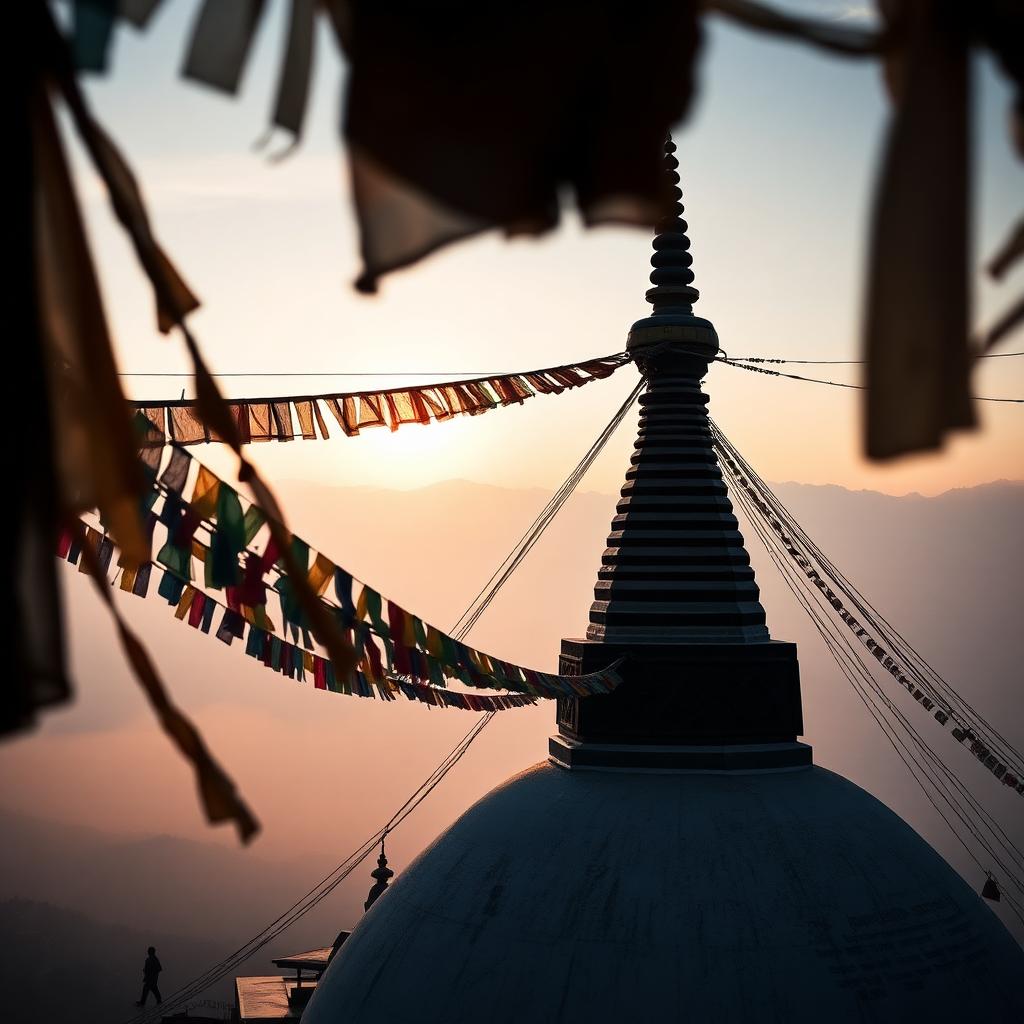
Two of the most important Buddhist sites in Nepal sit in the city, and both are unmissable. Boudhanath is one of the largest stupas in the world, a vast white dome topped with the all-seeing eyes of the Buddha, where pilgrims circle in prayer and the atmosphere is serene and timeless. Swayambhunath, the "Monkey Temple", crowns a hilltop reached by a steep climb, rewarded with panoramic views over the city. Both charge small entry fees. Go at dawn or dusk for the most magical light and atmosphere. We'll tell you how to reach each and the etiquette for visiting respectfully.

activity

Experience the sacred sites and ghats of Pashupatinath

Pashupatinath is Nepal's holiest Hindu temple, a sprawling complex on the banks of the sacred Bagmati River where open-air cremations take place on the riverside ghats. It's a profound, sometimes confronting glimpse into Hindu beliefs about life and death, and a deeply spiritual place. Non-Hindus can't enter the main temple but can observe respectfully from across the river. Approach with sensitivity, since this is a place of genuine mourning and devotion, not a tourist spectacle. We'll explain what you can see, the entry fee, and how to visit thoughtfully.

food

Eat dal bhat, momos and Newari cuisine

Eating well in Kathmandu costs very little. The staple is dal bhat, the national dish of lentil soup, rice and vegetable curry, filling, delicious, and famously served with free refills. Don't miss momos, the beloved Nepali dumplings, and seek out the distinctive Newari cuisine of the valley's indigenous people. Thamel is full of travellers' cafés, but step into a local bhojanalaya (eatery) for the best value and the most authentic flavours. A food tour is a fun way in, or follow the locals. The rooftop cafés also offer a peaceful escape from the busy streets below.

tour

Trek into the Himalaya

For many, Kathmandu is the gateway to the adventure of a lifetime. The city is where you arrange permits, hire guides, and set off for the world's most famous treks, from the demanding Everest Base Camp and Annapurna Circuit to gentler, shorter routes like the Ghorepani Poon Hill trek, ideal for those with less time or experience. The trekking is a separate cost worth planning carefully, but the reward is walking among the highest mountains on earth. You can trek into the Himalaya through an agency for full support. We'll explain the options and how to choose a trek that suits your time, budget and fitness.

Frequently asked questions

Kathmandu is very cheap. Backpackers manage on 20-30 USD a day and a comfortable mid-range trip with a nice Thamel or Patan hotel, restaurants and guided sightseeing runs 55-100 USD a day. Trekking permits and guides add to the budget if you head to the Annapurna or Everest regions.

Two to three days for Kathmandu itself. That covers Durbar Squares in Kathmandu, Patan and Bhaktapur, Swayambhunath (the Monkey Temple) and Boudhanath stupa. Add days for Nagarkot sunrise, day hikes, or as a base before or after trekking.

October and November are peak season with clear mountain views and dry weather. March to May is warmer with rhododendrons in bloom. Avoid the June-September monsoon (clouds hide the Himalayas) and December-February when it gets cold and hazy in the valley.

Kathmandu is very safe with low violent crime. The main issues are appalling air quality in winter, chaotic traffic and pushy trek and taxi touts in Thamel. Wear a mask on bad AQI days, book treks through reputable agencies, and use pre-booked taxis or Pathao for reliable rides.

As of 2023 Nepal requires a licensed guide for most trekking regions including Annapurna and Everest. Solo trekking without a guide is no longer permitted for foreigners in national parks. Book through a Kathmandu agency with clear insurance, permits and porter welfare policies.

Thamel is the main backpacker and mid-range area — convenient for gear shops, restaurants and tour agencies but noisy. Patan across the river is quieter, arty and closer to Newari heritage. Boudhanath is peaceful and centred on the great stupa. First-timers usually pick Thamel or Patan.