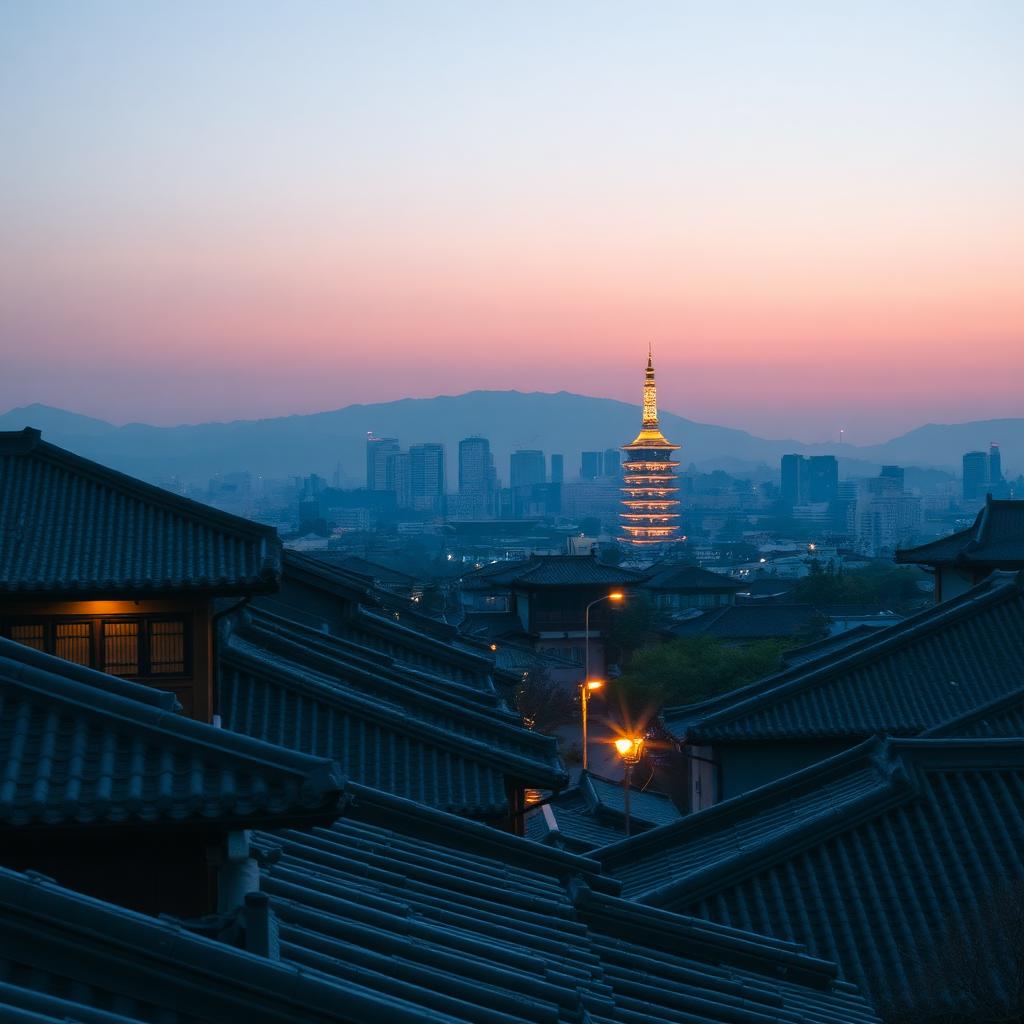
Seoul, South Korea

Seoul

South KoreaAsia

Seoul is where tradition and the future share the same street corner. South Korea's electric capital is a city of 600-year-old palaces standing in the shadow of glass skyscrapers, of ancient hillside temples and neon-soaked nightlife districts, of serene tea houses and the global juggernaut that is K-pop and Korean cooking. It moves fast, eats brilliantly, and runs on one of the best public transport systems on earth. After the crowds of Tokyo or Bangkok, Seoul can feel like a well-kept secret, a world-class city that somehow still flies under the tourist radar. For the budget traveller, Seoul is a pleasant surprise. It isn't dirt-cheap like Southeast Asia, but it's noticeably more affordable than Japan for the same quality, and far cheaper than Western Europe. Two things make it sing on a budget: the food and the transport. You can eat superbly from street stalls and convenience stores for a few pounds, and the spotless subway whisks you anywhere for around a pound a ride. Add a wealth of free attractions, the palaces are nearly free, the river parks and hiking trails cost nothing, and Seoul delivers a major world city without the major-city price tag. We'll show you how to make the most of it.
Best time to visit

The shoulder seasons of spring and autumn are the loveliest and most popular times to visit. Spring (late March to April) brings the famous cherry blossom, magical but the busiest and priciest window. Autumn (October to mid-November) delivers gorgeous foliage, comfortable temperatures, and clear skies. For the best value, come in the depths of winter (January to early March), when flights drop 30 to 40% and hotels hit their lowest rates, though Seoul gets genuinely cold, often below freezing. The heated floors, warm cafés and steaming street food make winter more manageable than you'd expect. Avoid the two big domestic holidays, Lunar New Year (January or February) and Chuseok (around September or October), when prices surge and many businesses close.

What it costs

Per person, per day, not counting flights.

Backpacker

around £28 to £50 a day. That covers a hostel dorm at £14 to £24 (Hongdae and Dongdaemun have the most), convenience-store and street-food meals, the cheap subway on a T-money card, and free attractions.

Mid-range

around £75 to £130 a day. This allows a comfortable three-star hotel or guesthouse in a central district at £55 to £100, real restaurant meals including Korean BBQ, and the major paid attractions and a day trip.

Luxury

£180 a day and up, and Seoul does luxury exceptionally well, from five-star hotels to traditional hanok stays.

Things to do in Seoul

Tour listings load once you accept cookies.

A place to visit in Seoul

Hand-picked experiences we'd actually recommend. Tap any one to read more and book.

activity

Explore the grand palaces and hanok villages

Seoul's five royal palaces are its historic heart, and they're almost free. Gyeongbokgung, the largest, hosts a colourful changing-of-the-guard ceremony and looks magnificent against the mountains behind it. Nearby, the Bukchon Hanok Village is a maze of preserved traditional wooden houses, free to wander, with lovely views over the old city. A lovely budget tip: rent a traditional hanbok costume and your palace entry becomes free. Go early to beat the crowds. We'll suggest which palaces to prioritise and how to combine them with the hanok streets.

food

Eat your way through the markets and BBQ joints

Seoul is one of the world's great food cities, and eating here is both cheap and unforgettable. Graze the legendary Gwangjang Market for hand-made dumplings, bindae-tteok pancakes and more, all for a few pounds, then experience a proper Korean BBQ, grilling marinated meat at your own table with a spread of free side dishes. Don't miss bibimbap, tteokbokki, and fried chicken with beer. The golden rule: eat where the locals queue. A food tour is a great way in, or simply follow your nose. This is Seoul at its most delicious and best value.

activity

Soak up the neighbourhoods, from Hongdae to Gangnam

Seoul is a city of distinct districts, and wandering them is free and endlessly fun. Hongdae buzzes with student energy, street buskers and indie cafés, Insadong charms with traditional teahouses and craft shops, Myeongdong is the heart of shopping and skincare, and glitzy Gangnam is the modern, moneyed face of the city. Each has its own character and its own food. The joy is simply in the exploring, hopping between them on the cheap subway. We'll map out which neighbourhoods suit which moods and the best free things to seek out in each.

activity

Find calm at the temples and the Han River

For a break from the city's pace, Seoul offers green and peaceful escapes that cost nothing. The hillside Bukhansan National Park, right on the city's edge, offers superb hiking and views over the skyline, all free. The Han River parks are where Seoulites come to picnic, cycle and relax, especially lovely at sunset. And the city's serene Buddhist temples, like Jogyesa, offer a quiet, free moment of reflection. These show a gentler side of Seoul most first-timers miss. We'll point you to the best free outdoor spots and how to reach them.

tour

Visit the DMZ and the border with North Korea

One of the most unique and sobering day trips on earth, the Demilitarized Zone (DMZ) is the heavily fortified border dividing North and South Korea. You can only visit on an organised tour, which takes you to observation points looking into the North, infiltration tunnels, and, on some tours, the Joint Security Area where the two sides meet face to face. It's a fascinating, moving insight into a conflict that has never officially ended. Book ahead, as tours require advance registration and your passport. We'll explain the tour options and what each includes.

Frequently asked questions

Seoul is mid-priced by developed-Asia standards. Backpackers manage on 55-75 USD a day and a comfortable mid-range trip with a nice hotel in Myeongdong or Hongdae, restaurants and one big cultural experience runs 130-200 USD a day. Public transport, street food and Korean BBQ lunch sets are excellent value.

Four to five days. That covers Gyeongbokgung and Bukchon Hanok Village, Insadong, Myeongdong, Hongdae for nightlife, Gangnam and the DMZ day-trip. Foodies and K-pop fans easily justify a week.

April to early June and September to October are ideal — spring blossom, autumn colours, and comfortable temperatures. Summer (July-August) is hot, humid and rainy. Winter (December-February) is cold but crisp with occasional snow and cheaper hotels.

Seoul is one of the safest big cities in the world. Standard travel awareness is more than enough. You can safely walk almost anywhere at night. Main issues are minor tourist scams in Itaewon bars and occasional pushiness in Myeongdong markets.

The metro is world-class — clean, cheap, English-signposted and covers everywhere useful. Get a T-Money card at any convenience store on arrival. Taxis are affordable and Kakao T (the local Uber) makes them easy without Korean. Downtown Seoul is walkable between neighbouring areas.

A DMZ tour is worth doing on a first visit, ideally the JSA Panmunjom version if it is running. Half-day and full-day options depart from central Seoul. Book in advance as spots fill up. Passport required and dress codes apply. Consider it as much history as spectacle — expectations set right, it is memorable.