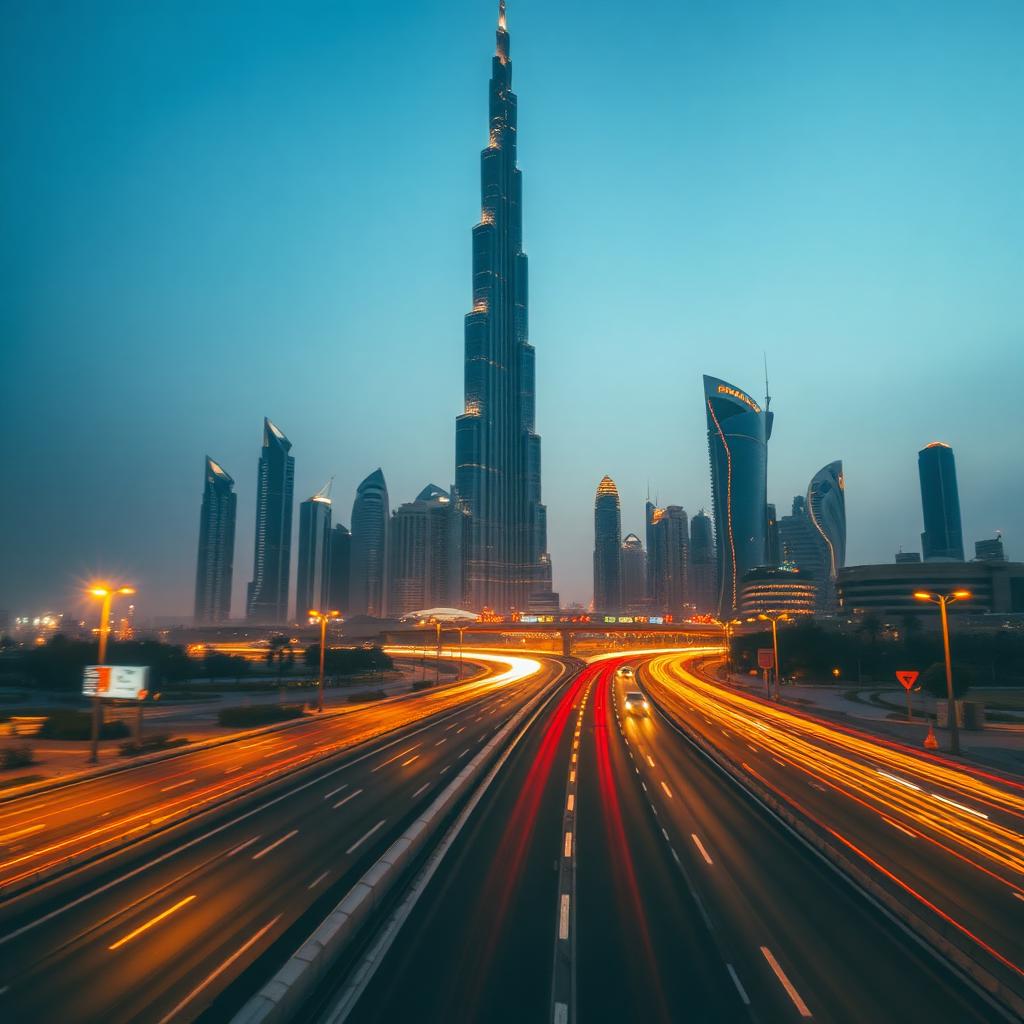
Dubai, United Arab Emirates

Dubai

United Arab EmiratesAsia

Dubai is a city that seems to have been dreamed up rather than built. In a few short decades it has risen from the desert into a skyline of impossible towers, crowned by the Burj Khalifa, the tallest building on earth. There are indoor ski slopes, palm-shaped islands, fountains that dance to music, and shopping malls the size of small towns. It's brash, futuristic, and unapologetically over the top, and yet right beside all that gleaming newness sits the old Dubai of the creek, the spice and gold souks, and wooden boats still ferrying goods as they have for generations. It's a fascinating collision of worlds. Here's the honest part, and it's the opposite of what you'd expect: Dubai has a reputation as a playground for the super-rich, and it absolutely can be that, but it's far more achievable on a budget than almost anyone realises. Some of the city's best experiences are free, the fountains, the beaches, the souks, the old quarter, the metro is clean, cheap and excellent, and you can eat brilliantly for a few pounds if you follow the city's huge South Asian and Middle Eastern working population to the residential districts. The trick in Dubai, more than anywhere, is knowing where the locals' version of the city is, just behind the glittering tourist one. We'll show you exactly how to find it.

Best time to visit

The best weather runs from November to March, with warm, sunny days ideal for the beaches and outdoor sights, which is also peak season, when hotel prices are at their highest. The shoulder months of April and October offer a good balance of pleasant warmth and lower prices. For the deepest savings, come in summer (June to September), when hotel rates drop 40 to 60%, but be warned: the heat is genuinely extreme, often 40 to 45C, which pushes you indoors to the malls and limits outdoor plans. One cultural date to plan around: during Ramadan, eating and drinking in public during daylight is restricted, though it's a fascinating time with cheap evening iftar feasts.

What it costs

Per person, per day, not counting flights.

Backpacker

around £35 to £65 a day. That covers a hostel dorm or budget hotel at £25 to £50, street food and local restaurant meals, the cheap metro, and the city's many free attractions. Dubai has a growing and surprisingly good hostel scene.

Mid-range

around £85 to £150 a day. This allows a comfortable three or four-star hotel at £70 to £120, restaurant meals, a mix of metro and taxis, and paid attractions like the Burj Khalifa or a desert safari.

Luxury

£180 a day and up, and Dubai's ceiling for luxury is essentially limitless.

Things to do in Dubai

Tour listings load once you accept cookies.

A place to visit in Dubai

Hand-picked experiences we'd actually recommend. Tap any one to read more and book.

activity

See the Burj Khalifa and the Dubai Fountain

The Burj Khalifa is the tallest building in the world, and the view from its observation decks is staggering, though the tickets are a real cost, cheaper if you book online and avoid sunset peak times. Here's the budget secret: right at its base, the Dubai Fountain puts on a free spectacular show every evening, jets of water dancing to music against the tower and the lake. You can enjoy the whole scene, and the buzz of Downtown, without spending a dirham. We'll explain when the free fountain shows run and whether the Burj Khalifa ticket is worth it for you.

activity

Explore old Dubai, the creek and the souks

The soul of the city lives in old Dubai, and exploring it is mostly free. Wander the atmospheric Al Fahidi Historical District, with its restored wind-tower houses and narrow lanes, then take a traditional abra (water taxi) across Dubai Creek for around 20p, one of the world's great cheap experiences. On the far bank, lose yourself in the dazzling Gold Souk and the fragrant Spice Souk, where haggling is part of the fun whether or not you buy. It's the authentic, historic counterpoint to the glittering new city. We'll map out a route through the best of old Dubai.

tour

Head into the desert on a safari

No trip to Dubai is complete without venturing into the desert that surrounds it. A desert safari typically combines exhilarating dune-bashing in a 4x4, camel rides, sandboarding, and a barbecue dinner at a Bedouin-style camp under the stars, often with music and traditional dancing. It's one of the city's signature paid experiences and genuinely memorable, with options from budget group trips to plush private ones. Book through a reputable operator and compare what's included. We'll help you choose between the safari types and what to expect from each.

activity

Hit the free beaches and the Marina

Dubai's public beaches are free, clean and beautiful, and they're among the best budget pleasures in the city. JBR Beach (The Walk) offers a lively stretch of sand backed by a buzzing promenade of cafés and street food, with the towers of Dubai Marina rising behind. Spend a day swimming, strolling the Marina waterfront, and watching the world go by for the price of nothing but your lunch. It's where Dubai relaxes. We'll point you to the best free beaches and the most scenic, walkable waterfront stretches.

activity

Lose a day in the malls and their attractions

In Dubai the shopping malls are attractions in their own right, and air-conditioned havens from the heat. The Dubai Mall, one of the largest in the world, holds an aquarium, an ice rink, and the fountains at its feet, while the Mall of the Emirates famously contains an indoor ski slope. You don't have to spend to enjoy them: wandering, window-shopping, and people-watching are all free, and they're the city's de facto public spaces. We'll point you to the malls worth seeing and the free spectacles inside each.

Frequently asked questions

Dubai is expensive but flexible. You can eat well at Indian and Filipino restaurants for 20 AED and take the metro for 3-8 AED, or blow 3,000 AED on brunch and a suite. A comfortable mid-range trip with a beach hotel, some paid attractions and restaurants runs 800-1,500 AED a day.

Four days is a comfortable length. That covers Downtown (Burj Khalifa, Dubai Mall, Fountain), Old Dubai (Deira souks and abra rides), a desert safari, and a beach day at Jumeirah or JBR. Add days for waterparks, day-trips to Abu Dhabi or shopping.

November to March is the comfortable season with warm sunny days and cool evenings, and by far the busiest and priciest. April, May and October are hotter but still manageable and much cheaper. June to September regularly exceeds 40C and outdoor time becomes uncomfortable.

Dubai is one of the safest cities in the world with very low crime. The main risks are traffic accidents and heat exhaustion in summer. Standard laws are stricter than most tourists expect: no drinking outside licensed venues, no public displays of affection, and respectful dress in malls and heritage areas.

In hotels, beaches, waterparks and licensed venues, normal beachwear and shorts are fine. In malls, souks, mosques and government buildings, cover shoulders and knees. Women visiting mosques need to cover hair. Business dress is expected in fine-dining restaurants. Modest attire avoids awkwardness in more traditional areas like Deira.

Dubai is excellent for families. Waterparks, aquariums, theme parks, hotel kids clubs and safe walkable areas make it very family-friendly. Restaurants and hotels are geared to children. The main considerations are extreme summer heat and long-haul flight distance for young kids.