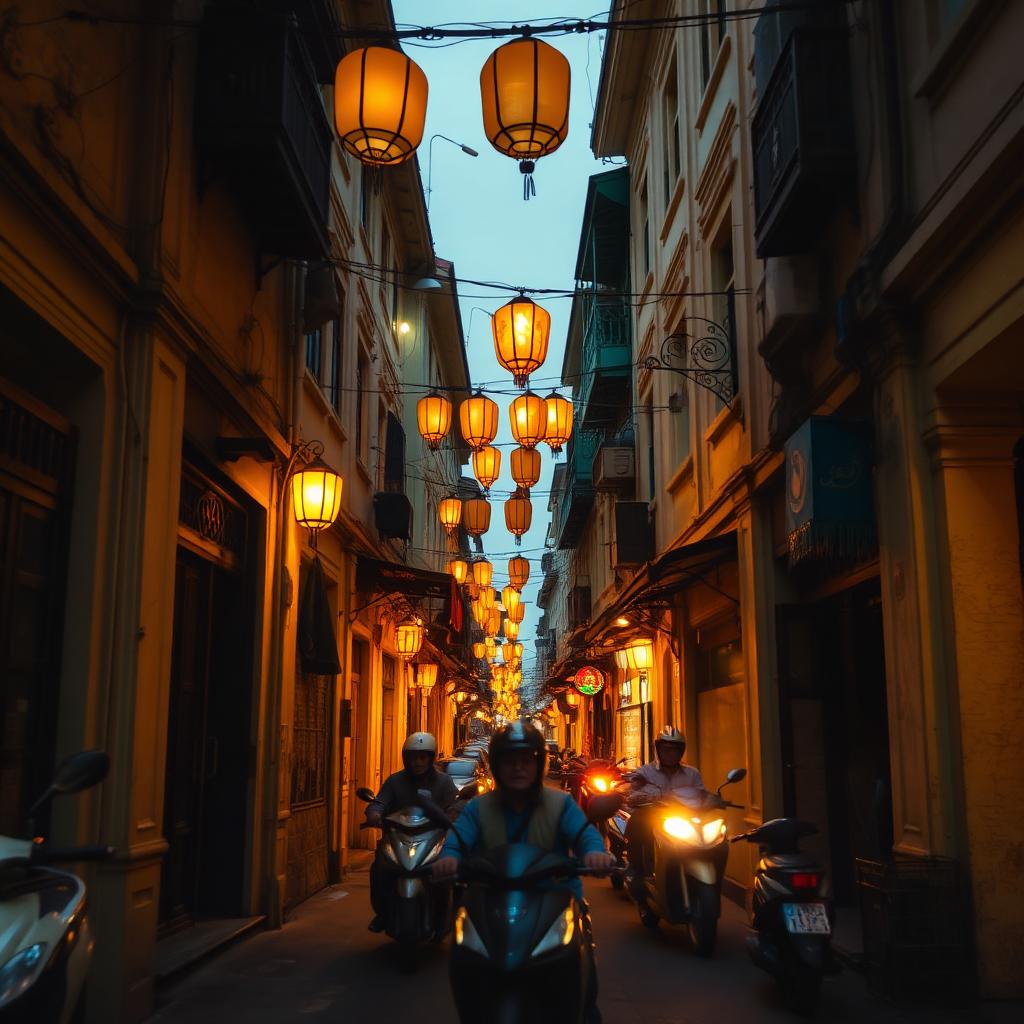
Hanoi, Vietnam

Hanoi

VietnamAsia

Hanoi is sensory overload in the best possible way. Vietnam's thousand-year-old capital is a city of motorbikes streaming in rivers through narrow lanes, of steaming bowls of pho served on tiny plastic stools, of crumbling French colonial villas, ancient temples, and a beautiful lake right in the middle of it all. The Old Quarter is the heart of it: a maze of streets each once dedicated to a single trade, now a glorious tangle of shops, street kitchens, and life lived loudly on the pavement. It can feel chaotic at first, and then you learn to flow with it, and it becomes one of the most rewarding cities in Asia. For the budget traveller, Hanoi is a joy. It's one of the most affordable capital cities in the region, and Vietnam as a whole is among the best-value destinations in Asia, slightly cheaper than Thailand for food, transport and rooms. A bowl of the city's legendary pho costs a couple of pounds, a glass of fresh draught beer at a bia hoi corner is pennies, dorm beds are a few pounds, and many of Hanoi's pleasures, the lake, the Old Quarter, the colonial streets, the dawn tai chi, are completely free. The trick is to eat where the locals eat, walk where you can, and step a few streets back from the busiest tourist corners. We'll show you how.

Best time to visit

Hanoi has a proper four-season climate, unlike the tropical south of Vietnam. The best months are the shoulder seasons of October to November and March to April, with pleasant, dry, mild weather ideal for walking. Winter (December to February) is cool and can be grey and drizzly, though prices are lower. Summer (May to September) is hot and very humid with heavy downpours. Note that peak season for prices runs across spring and autumn, when accommodation costs 20 to 40% more than the quieter summer months, so the shoulder periods balance good weather with reasonable rates. Avoid the Tet holiday (Vietnamese New Year, late January or February), when prices spike and much of the city closes down.

What it costs

Per person, per day, not counting flights.

Backpacker

around £12 to £25 a day. That covers a hostel dorm at £5 to £10 (often with free breakfast), street food, local buses, and free or cheap attractions. Hanoi is one of the cheapest cities in Southeast Asia for backpackers.

Mid-range

around £40 to £70 a day. This allows a comfortable private room or three-star hotel in or near the Old Quarter at £20 to £55, a mix of street food and restaurant meals, Grab rides, and paid attractions and a day trip.

Luxury

£90 a day and up, with elegant colonial-era hotels at prices far below their Western equivalents.

Things to do in Hanoi

Tour listings load once you accept cookies.

A place to visit in Hanoi

Hand-picked experiences we'd actually recommend. Tap any one to read more and book.

activity

Wander the Old Quarter and Hoan Kiem Lake

The beating heart of Hanoi is its Old Quarter, a thousand-year-old maze of narrow streets each historically devoted to a single trade, now packed with shops, street kitchens, and endless life. At its edge sits Hoan Kiem Lake, a tranquil green oasis with a pretty temple on an islet, where locals practise tai chi at dawn and stroll in the evenings. Wandering both is completely free and the best introduction to the city. At weekends the streets around the lake close to traffic and fill with games and performers. We'll map out a walking route through the Old Quarter's best corners.

food

Eat pho, bun cha and egg coffee

Hanoi is one of the world's great food cities, and eating here is cheap and unforgettable. This is the birthplace of pho, the fragrant noodle soup, and of bun cha, grilled pork with noodles and herbs, both served from humble street kitchens for a pound or two. Don't miss the city's famous egg coffee, a rich, creamy invention best enjoyed in a hidden old café. The rule is simple: eat where the locals queue. A street food tour is a brilliant way in, or follow our pointers and graze the stalls yourself. The food alone is worth the trip.

activity

Explore the colonial quarter and Ho Chi Minh's mausoleum

Beyond the Old Quarter, Hanoi's French colonial legacy lines the grander boulevards with elegant villas, the Opera House, and tree-shaded avenues. Nearby sits the solemn Ho Chi Minh Mausoleum complex, where the country's founding leader lies in state (free to view the exterior and grounds, with a strict dress code if you go inside), along with the charming One Pillar Pagoda and the Temple of Literature, Vietnam's first university. Many of these cost little or nothing. We'll suggest a route linking the colonial highlights and explain the mausoleum's opening quirks.

tour

Cruise the wonder of Halong Bay

The single most popular trip from Hanoi is to Halong Bay, the UNESCO seascape where thousands of limestone karsts rise dramatically from emerald waters. It's a few hours away and most often done as an overnight cruise, sleeping aboard a boat among the islands, which is genuinely magical and one of Vietnam's defining experiences. Day trips are possible but the overnight option is far more rewarding. The cruise is a bigger-ticket spend, so choose a reputable operator and book ahead. We'll help you weigh a day trip against an overnight cruise and what to look for in a boat.

activity

Catch the Train Street and the city's quirks

Hanoi is full of unusual corners, and the famous Train Street is the most photographed: a residential lane where a working railway runs just inches from the houses and cafés, with a train rattling through a few times a day. Access comes and goes with safety crackdowns, so check the current situation locally, and always put safety first around the tracks. Pair it with the bustling Dong Xuan Market, the city's largest, where haggling is part of the fun. We'll explain how to see the quirky side of Hanoi safely and where to find the best photo spots.

Frequently asked questions

Hanoi is one of Asia's cheapest capitals. Backpackers get by on 20-30 USD a day and a comfortable mid-range trip with a boutique Old Quarter hotel, restaurants and a Ha Long Bay tour runs 60-100 USD a day. Street food meals like pho and bun cha cost 40,000-70,000 VND.

Three days for Hanoi itself. That covers the Old Quarter, Hoan Kiem Lake, the Temple of Literature, the French Quarter and the Ho Chi Minh Mausoleum area, plus time for a coffee crawl and water puppet show. Add two nights for Ha Long Bay or Ninh Binh.

October to April is best. October and November are cool, dry and clear. December to February can be chilly and drizzly but atmospheric. Avoid May to September which is hot, humid and often rainy. Air quality is worst in winter — check AQI if you have respiratory issues.

Walk steadily and predictably straight across, without stopping or running. Scooters will flow around you. Stopping suddenly is what causes accidents because riders cannot predict you. Watch out for cars and buses, which do not stop, but scooters will always steer around a confident walker.

Hanoi is very safe with low crime. Main issues are overcharging in taxis (use Grab), scooter accidents (do not ride unless already skilled), and occasional scams around Hoan Kiem where friendly locals invite you to inflated coffee shops. Standard travel sense handles everything else.

Ha Long Bay is worth an overnight cruise, not a day trip. Day trips spend most of the time on the bus. Book a reputable overnight junk (Bhaya, Indochina Sails, Paradise) for one or two nights. If Ha Long is fully booked or too pricey, Lan Ha Bay or Bai Tu Long are quieter alternatives.