Berlin, Germany

Berlin

GermanyEurope

Berlin doesn't try to charm you the way other European capitals do. There are no pastel postcard streets here, no single must-see skyline. What Berlin has instead is a raw, restless energy you won't find anywhere else, a city that was torn in two within living memory and rebuilt itself into one of the most creative, open, and downright fun places on the continent. History sits heavy here, the Wall, the war, the division, but so does an irrepressible sense of reinvention. You feel it in the street art, the all-night clubs, the converted power stations turned galleries. It's also, gloriously, one of the most affordable major cities in Western Europe, and a long-standing favourite on the backpacker trail. The greatest pieces of history are free to walk up to, the street food is cheap and excellent, and the city's "come as you are" attitude means nobody is judging your budget. Berlin rewards the traveller who's curious and a little adventurous, happy to wander edgy neighbourhoods, picnic in a former airport, and eat a late-night kebab with the locals. We'll show you how to get under its skin without spending much.

Best time to visit

The shoulder months of May and September offer the best balance of decent weather and gentler prices, with mild temperatures ideal for walking and cycling the famously flat city. Summer is lively and warm but busiest. For the deepest savings, come in winter: January, February and November bring hotel prices 30 to 50% below the summer peak, though temperatures often drop below freezing, so it's a trade of warmth for value. Berlin's appeal runs year-round and a lot of it is indoors or free, so a cold-weather visit is perfectly rewarding if you wrap up well.

What it costs

Per person, per day, not counting flights.

Backpacker

around €60 to €90 a day. That covers a hostel dorm, street food and supermarket meals, a public transport day pass, and free attractions with the odd paid museum. Dorm beds run roughly €25 to €45 in central neighbourhoods, cheaper midweek and dearer at weekends.

Mid-range

around €120 to €180 a day. This secures a private hotel room in a central location at €90 to €140 a night, casual restaurant meals, unlimited public transport, and several paid attractions.

Luxury

€250 a day and up.

Things to do in Berlin

Tour listings load once you accept cookies.

A place to visit in Berlin

Hand-picked experiences we'd actually recommend. Tap any one to read more and book.

activity

Walk the history, from the Brandenburg Gate to the Wall

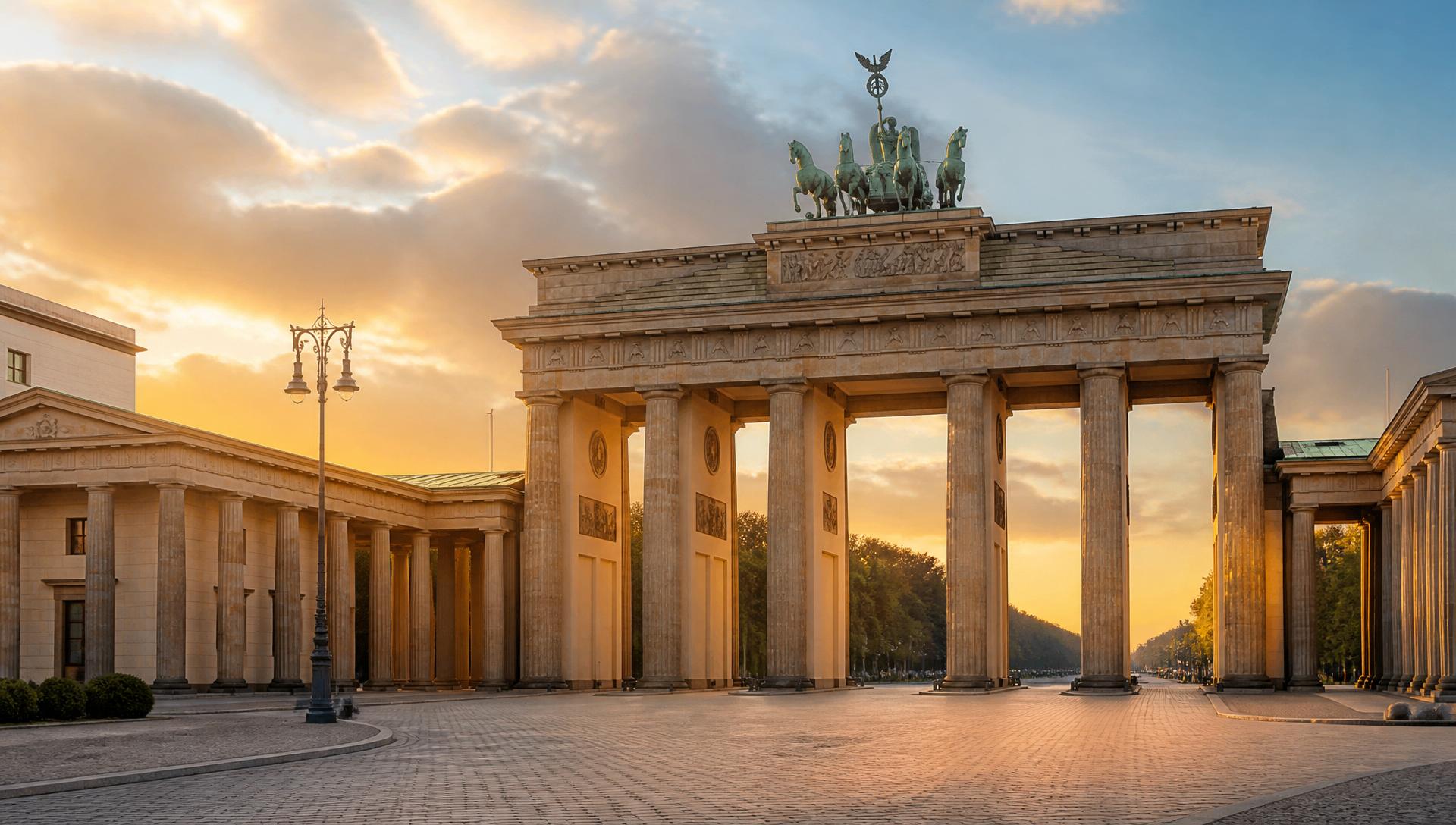
Berlin's most powerful experiences are free and out in the open. Stand under the Brandenburg Gate, the symbol of a reunited Germany, trace the line of the Berlin Wall through the city, and visit the moving Holocaust Memorial, which never charges entry. The East Side Gallery, a 1.3km stretch of the Wall covered in famous murals, is an open-air gallery you can walk for nothing. A tip-based free walking tour is the best way to thread these together with the stories behind them. We'll suggest a route and which tour to look for.

activity

The Reichstag dome and its free city view

One of Berlin's best views costs nothing, but it does take a little planning. The glass dome atop the Reichstag, the German parliament, spirals up to a viewing platform with panoramas across the city, and entry is free. The catch is you must register in advance, as walk-ups aren't allowed and slots fill up. Go near sunset for the best light. We'll explain exactly how to book your free slot and what to expect when you arrive.

activity

Museum Island and Berlin's cultural heart

Five world-class museums clustered on a single island in the river Spree, this is the cultural jewel of Berlin, home to the Pergamon's ancient wonders and the famous bust of Nefertiti. Doing them all in one go is a lot, so pick one or two unless you've a real appetite for it. The three-day Museum Pass is the clever way in if you plan to visit several, covering these plus dozens more across the city. We'll tell you which of the five to prioritise if your time is short.

food

Eat your way through Berlin's street food

Berlin eats brilliantly on a budget, and its food is as multicultural as the city itself. The currywurst is the classic, but the real star is the döner kebab, brought to the city by its Turkish community and arguably better here than anywhere. Add Vietnamese noodle bars, falafel plates in Kreuzberg, and street-food markets dotted across the neighbourhoods, and you can eat superbly for a handful of euros a meal. A food tour is a fun way to discover the best spots, or follow our pointers and graze your way around.

activity

Tempelhofer Feld and the Berlin that surprises you

This is Berlin in a nutshell: a vast former airport turned into the city's most beloved public park, where the old runways are now used by cyclists, skaters, kite-flyers and picnicking locals. It's completely free, gloriously strange, and pure Berlin. Pair it with a Sunday afternoon at the open-air karaoke in Mauerpark, another free institution, and you've seen a side of the city most first-timers miss. We'll point you to the best of these quirky, no-cost Berlin experiences.

Frequently asked questions

Berlin is one of Western Europe's cheaper capitals. Backpackers manage on 55-75 EUR a day, and a comfortable mid-range trip with a hotel in Mitte or Kreuzberg, restaurant meals and museum entry runs 150-220 EUR a day. Public transport, doner kebabs and pilsner are all very affordable.

Four days is a good length. That covers the Wall memorials at Bernauer Strasse and East Side Gallery, Museum Island, Brandenburg Gate and the Reichstag, plus time to walk Kreuzberg, Neukolln and Prenzlauer Berg. History fans easily fill five or six days.

May to September is the obvious window with beer gardens, lakes and long evenings. April and October are cooler but pleasant and much less crowded. Winter is cold and grey but Christmas markets and the museums are excellent, and hotel prices drop sharply.

Berlin is very safe. Standard city awareness handles it: watch for pickpockets on the U-Bahn, particularly the U8, and around Alexanderplatz and Warschauer Strasse late at night. Central neighbourhoods are fine to walk at any hour and violent crime against tourists is rare.

No, English is spoken almost everywhere in Berlin. Hospitality staff, shop workers and younger Germans will happily switch to English. Learning hallo, danke and bitte is polite but not required. Menus in touristy areas are usually bilingual.

Berlin is fantastic but not typical Germany. It is grittier, more international and more alternative than Munich, Hamburg or Cologne. If you want fairytale castles and Bavarian traditions you will be disappointed, but for modern history, nightlife and street food it is unbeatable.