Budapest, Hungary

Budapest

HungaryEurope

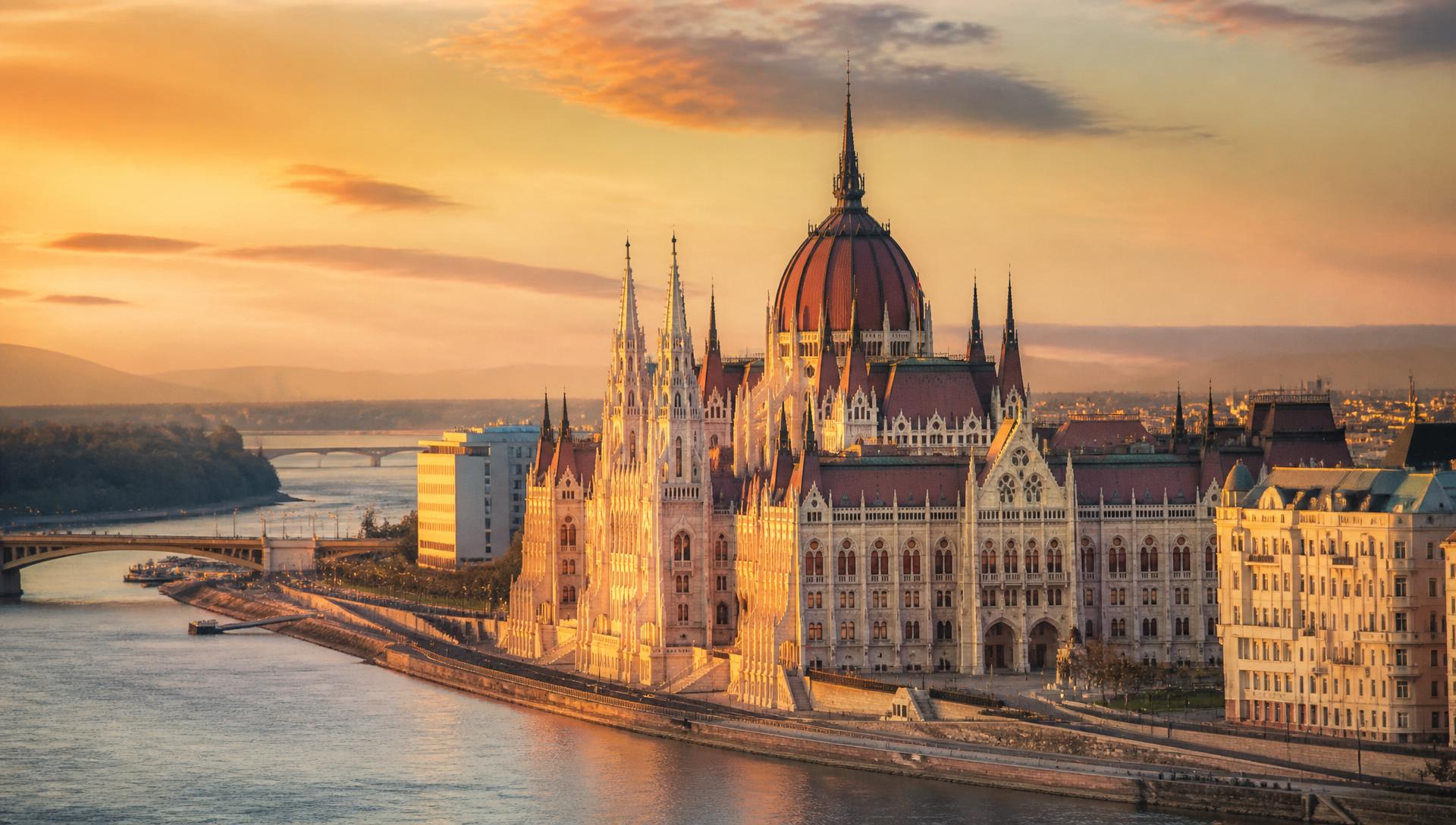
Budapest is two cities in one, split by the Danube: hilly, historic Buda on one bank with its castle and old-world charm, and flat, buzzing Pest on the other with its grand boulevards, ruin bars, and thermal baths. Cross one of the great bridges between them at night, with the floodlit Parliament building glowing on the water, and you'll understand why this place is sometimes called the Paris of the East. It's beautiful, characterful, and unlike anywhere else, a city where you can soak in a thermal spa fed by natural hot springs in the morning and drink in a bar built inside a crumbling old building at night. For the budget traveller, Budapest is a dream. It's one of the most affordable capitals in Europe, noticeably cheaper than Prague, let alone Paris or Amsterdam, and a long-standing favourite on the backpacker trail for exactly that reason. The food is hearty and cheap, the famous ruin bars serve drinks at a fraction of Western European prices, and a great deal of the city, the bridges, the views from Gellért Hill, the riverside, is free. Get a few choices right and Budapest gives you a grand, characterful European capital for genuinely little money. We'll show you how.

Best time to visit

The shoulder seasons of March to May and September to November give you the best balance of pleasant weather, gentler crowds, and lower prices, and they're widely regarded as the ideal time to visit. Avoid the summer peak of June to August, when prices rise 30 to 50% and the city is busiest, and watch out for a few specific spikes: the Formula 1 Hungarian Grand Prix in late July and the Sziget music festival in August both send accommodation costs soaring, so check the calendar before booking. For the best value and a special atmosphere, winter (outside the Christmas market period) is excellent, with low hotel prices and the bonus of soaking in a steaming thermal bath while it's cold outside.

What it costs

Per person, per day, not counting flights.

Backpacker

around €40 to €75 a day. That covers a hostel dorm at €20 to €35, street food and market-hall lunches, public transport, free walking tours, and mostly free sights.

Mid-range

around €70 to €140 a day. This allows a private room or mid-range hotel at €60 to €130, restaurant meals, a thermal bath visit, and a couple of paid attractions.

Luxury

€140 a day and up.

Things to do in Budapest

Tour listings load once you accept cookies.

A place to visit in Budapest

Hand-picked experiences we'd actually recommend. Tap any one to read more and book.

activity

Soak in the Széchenyi thermal baths

This is the quintessential Budapest experience and unlike anything else in Europe. The city sits on natural hot springs, and the grand Széchenyi Baths are the most famous: a vast neo-baroque palace of steaming outdoor and indoor pools where locals play chess in the water and tourists soak away the day. It's a paid attraction but worth every forint, and an evening visit costs less and comes with a magical sunset-steam atmosphere. We'll explain the ticket options, what to bring, and the best time of day to go.

activity

Cross the Chain Bridge and climb to Buda Castle

The best of Budapest is free and out in the open. Walk across the iconic Chain Bridge over the Danube, then climb up to the Buda Castle district, where the grounds, the cobbled streets, and the fairytale Fisherman's Bastion offer some of the finest views in the city, all without an entry fee. You only pay if you want to go inside the museums. Time it for golden hour when the light is loveliest and the day-trippers have thinned. We'll map out a free walking route through the castle district's best corners.

activity

See the Parliament and the Danube views

Budapest's Parliament building is one of the most spectacular in the world, a vast Gothic Revival masterpiece on the riverbank, breathtaking by day and stunning when floodlit at night. You can admire it for free from the Pest embankment or, even better, from across the river on the Buda side. Guided tours of the interior are available and worth booking ahead if you want to go inside. Nearby, the moving Shoes on the Danube memorial is free to visit. We'll point you to the best free viewpoints and explain how to book a tour if you want one.

food

Eat goulash and drink in the ruin bars

Budapest is brilliant for cheap, hearty eating and legendary nightlife. Try goulash, lángos (fried dough piled with toppings), and chimney cake, ideally from a market hall or a local spot rather than a tourist trap. Then dive into the ruin bars, the city's signature nightlife: eccentric bars built inside abandoned buildings and courtyards, packed with mismatched furniture and cheap drinks. A guided food or ruin-bar tour is a fun way in, or follow our pointers and explore on your own. The Central Market Hall is the place to graze by day.

activity

Wander Margaret Island and the city's green heart

For a free, relaxing break from sightseeing, head to Margaret Island, a long green park in the middle of the Danube, traffic-free and laced with walking paths, gardens, a musical fountain, and shady spots to rest. It's where locals come to jog, picnic and unwind, and it costs nothing to enjoy. Rent a bike or simply stroll its length. We'll suggest the best things to seek out on the island and how to combine it with a riverside walk.

Frequently asked questions

Budapest is one of Europe's best-value capitals. Backpackers get by on 45-60 EUR a day and a mid-range trip with a river-view hotel, thermal baths, restaurants and river cruise runs 110-160 EUR a day. Public transport, wine and thermal spa entry are all very cheap.

Three days is enough for most visitors. That covers the Buda Castle side, Fisherman's Bastion, Parliament and the Jewish Quarter, plus a proper afternoon at Szechenyi or Gellert baths and an evening in the ruin bars. Four days lets you add a Danube cruise or Memento Park.

April to June and September are the sweet spots. You get warm days, cool nights and everything open without high-summer crowds. Winter is cold but atmospheric with Christmas markets and steaming outdoor pools at Szechenyi baths.

The thermal baths are essential in Budapest. Szechenyi is the huge, sociable outdoor one and best for a first visit. Gellert is smaller, ornate and more relaxing. Rudas has a rooftop pool overlooking the Danube. Bring flip-flops, a swim cap for the lap pool, and go on a weekday to avoid crowds.

Budapest is very safe. The main scams are inflated bar bills at hostess bars near Vaci utca and rigged taxis if you flag one on the street. Use Bolt or Fotaxi apps, always check drink prices before ordering, and stick to metered rates and you will have no issues.

Buda is the hilly, quieter west bank with the Castle District, Fisherman's Bastion and residential streets. Pest is the flat, busier east bank with Parliament, the Jewish Quarter, ruin bars, restaurants and most hotels. Most visitors stay in Pest and cross the bridges for sightseeing.