
Reykjavik, Iceland

Reykjavik

IcelandEurope

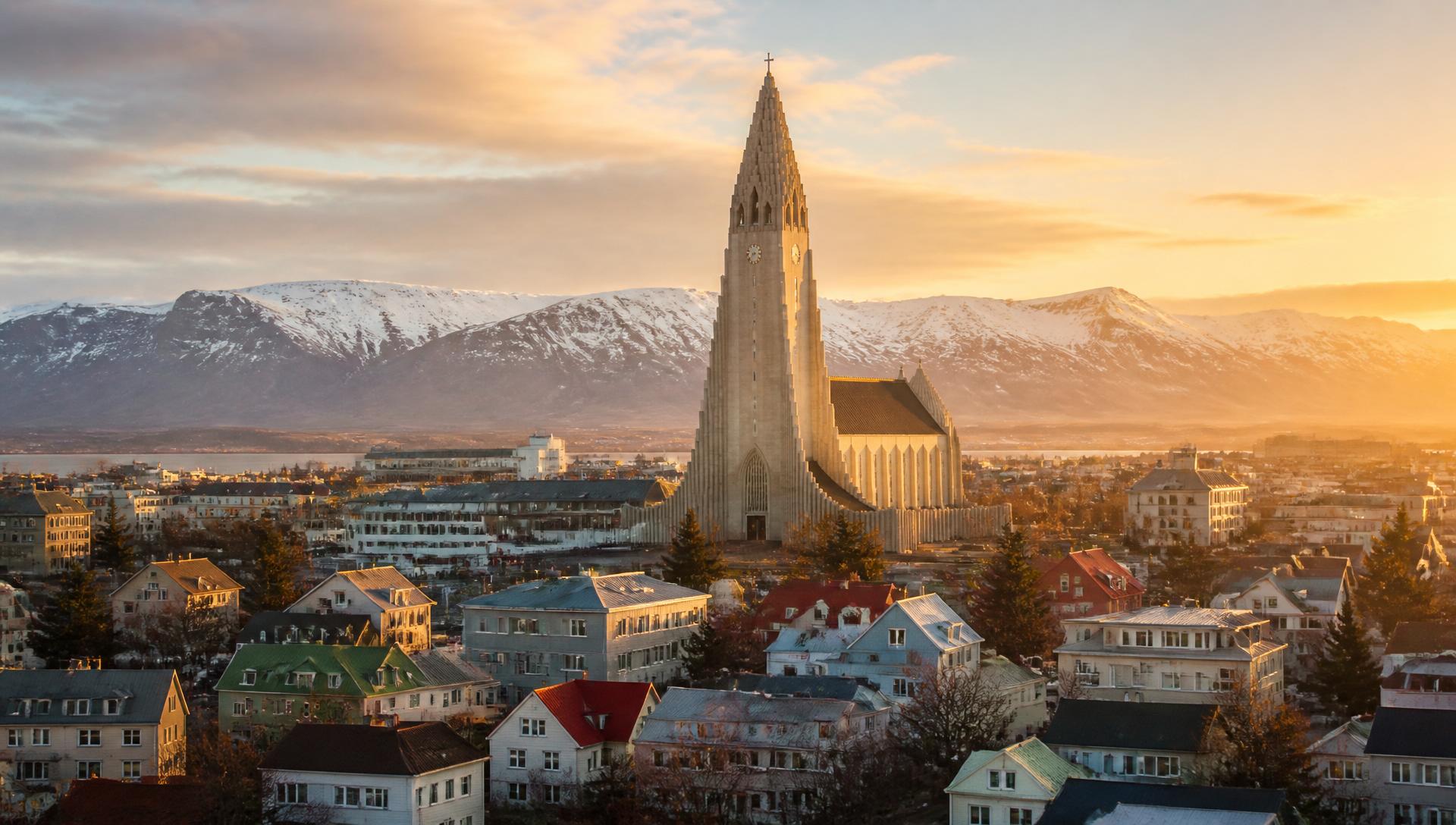
Reykjavik is the world's northernmost capital, a small, colourful city of corrugated-iron houses and street art perched on the edge of the North Atlantic, with snow-capped mountains across the bay and a sky that, depending on the season, either never gets dark or dances with the Northern Lights. It's compact, friendly, and walkable, but the real reason most people come is what lies just beyond it: the waterfalls, glaciers, volcanoes, black-sand beaches, and steaming geothermal pools of one of the most extraordinary landscapes on earth. Reykjavik is your warm, characterful base camp for all of it. Let's be honest from the start: Iceland is expensive, one of the priciest countries in Europe, and there's no pretending otherwise. But here's the thing that saves it, and saves your budget: the best of Iceland is free. The waterfalls, the beaches, the lava fields, the Northern Lights, none of them charge admission. The country's natural wonders cost nothing to stand in awe of. With smart choices, a refillable water bottle, a few hot dogs, and a willingness to self-cater, Iceland is far more achievable than its reputation suggests. We'll show you exactly where the money goes and how to keep it in your pocket.

Best time to visit

The shoulder seasons of May to June and September to October are the sweet spot: lower prices than peak summer, reasonable weather, and still-decent daylight, with September onwards bringing the return of the Northern Lights. Avoid mid-June through August if budget matters, as this is peak season when accommodation and car-hire prices roughly double. Winter brings the deepest savings on flights and hotels along with the best aurora viewing, but short days, cold, and harder-to-reach sights are the trade-off. One special date for 2026: a total solar eclipse passes over Reykjavik on 12 August, the first visible from the city in nearly 600 years, which is driving exceptional demand and prices around that period, so book far ahead or avoid those dates if you're cost-conscious.

What it costs

Per person, per day, not counting flights.

Backpacker

around €105 to €165 a day. That covers a hostel dorm at roughly €40 to €60, self-catered and grocery meals with the odd famous hot dog, and free natural attractions. A determined backpacker self-catering and using the city pools can push this lower.

Mid-range

around €240 to €340 a day. This allows a guesthouse or mid-range hotel at €130 to €245, a mix of self-catering and restaurant meals, and a day tour or two such as the Golden Circle.

Luxury

€500 a day and well up.

Things to do in Reykjavik

Tour listings load once you accept cookies.

A place to visit in Reykjavik

Hand-picked experiences we'd actually recommend. Tap any one to read more and book.

activity

Chase the Northern Lights for free

Seeing the aurora dance across the night sky is the dream that brings many people to Iceland, and here's the budget secret: you don't need to pay for it. From roughly September to April, the Northern Lights can be seen for free from anywhere with dark skies and clear weather, so all you need is to get away from the city lights and look up. Paid tours exist and improve your odds by tracking the forecast and driving to dark spots, but with a little patience and a clear night you can do it yourself. We'll explain how to check the aurora forecast and where to go near the city.

activity

Soak in a geothermal pool like a local

Bathing in naturally heated water is the heart of Icelandic culture, and you don't need the famous, pricey Blue Lagoon to do it. The city's neighbourhood geothermal pools, like Laugardalslaug, cost a fraction of the price and are where locals come to soak, chat and unwind, hot pots and all. If you want the iconic experience, the Sky Lagoon near the city offers ocean views for less than the Blue Lagoon. Either way, a soak under an Icelandic sky is unforgettable. We'll compare the local pools against the premium lagoons so you can choose what suits your budget.

tour

Drive or tour the Golden Circle

The Golden Circle is Iceland's most famous day route, a loop from Reykjavik taking in a thundering waterfall, an erupting geyser, and the dramatic rift where two tectonic plates meet. It's the perfect introduction to the country's raw natural drama. You can do it as an organised day tour with a guide and transport, or rent a car and drive it yourself for more freedom and often less cost if there are a few of you. The stops themselves are free. We'll help you weigh the self-drive option against a guided tour.

activity

Wander Reykjavik and climb Hallgrímskirkja

The city itself rewards a slow wander, and much of it is free. Stroll the colourful streets and harbour, admire the street art, and visit the interior of Hallgrímskirkja, the striking rocket-shaped church that dominates the skyline, which is free to enter, though there's a small charge to take the lift up the tower for the best view in the city. Browse the Kolaportið flea market at the weekend, one of the few places you can haggle. We'll point you to the best free corners of the city and the walk that links them.

activity

See the waterfalls and black-sand beaches of the south coast

Some of Iceland's most jaw-dropping sights lie along the south coast within day-trip reach of the city, and almost all of them are free to visit. The waterfalls of Seljalandsfoss and Skógafoss, the eerie black-sand beach at Reynisfjara, and dramatic cliffs and glaciers are the stuff of postcards, with only the odd small parking fee. You can self-drive for freedom or join a day tour if you'd rather not navigate Icelandic roads yourself. We'll help you plan the route and decide between driving and a guided trip.

Frequently asked questions

Reykjavik is very expensive. Budget travellers still spend 100-140 EUR a day and a comfortable mid-range trip with a hotel, car hire, restaurants and one big excursion runs 300-450 EUR a day. Food and drink are the biggest hits — supermarket meals and hot dogs from Baejarins Beztu genuinely save money.

Two full days for the city. Most people combine it with 4-7 days exploring the Golden Circle, South Coast, Ring Road or Snaefellsnes. A one-week self-drive is the classic Iceland trip; a long weekend works if you focus on Reykjavik plus a Golden Circle day and the Blue Lagoon.

June to August has near-24-hour daylight, milder weather and open Highland roads but is peak season. September to March has the northern lights and dramatic weather but cold and short days. Late September and October are a sweet spot for lights, autumn colours and shoulder pricing.

No, never. The aurora needs solar activity plus clear skies plus darkness, so October to March is the window. Give yourself at least four to five nights outside Reykjavik's light pollution to improve odds, book flexible tours that rebook on bad nights, and check aurora forecast apps daily.

Iceland is one of the safest countries in the world. Reykjavik has minimal crime and locals leave doors unlocked. Main risks are weather-related: sudden storms, whiteout driving conditions in winter, and unmarked ice on pavements. Check road.is and vedur.is before driving anywhere outside the capital.

Yes, always book the Blue Lagoon online in advance — it sells out days ahead and does not accept walk-ins. Book the first or last slot of the day for calmer conditions. Sky Lagoon in Reykjavik and Hvammsvik outside the city are excellent quieter alternatives if the Blue Lagoon is booked out.