
Rome, Italy

Rome

ItalyEurope

There's a moment, usually a day or two in, when Rome stops being a list of things to tick off and just becomes a place you're living in for a while. You turn a corner expecting nothing and there's a 2,000-year-old temple wedged between a gelato shop and a scooter repair garage, like it's the most normal thing in the world. Here, it is. Rome wears its impossible history lightly, and that's the joy of it.

The best news for anyone watching their budget: Rome is one of the great walkable cities, and the walking is free. So is throwing a coin in the Trevi Fountain, climbing the Gianicolo for the city's best view, wandering Trastevere at golden hour, and ducking into baroque churches stuffed with art that would be behind glass and a ticket desk anywhere else. You can have an extraordinary few days here on a modest budget, eating like royalty on pizza by the slice. You just need to know where to point yourself, and where the tourist traps are hiding. That's where we come in.

Best time to visit

Aim for the shoulder seasons, roughly March to May and October to early December, when the weather is pleasant, the queues are shorter, and prices ease off. Travelling in shoulder season is the cheapest way to visit, with hostel beds that can spike to €80-plus in July starting nearer €20 in low season. Avoid high summer if you can: June to August brings peak pricing, with hotels 30 to 40% above shoulder-season rates, maximum crowds, and temperatures regularly above 32°C that make midday sightseeing genuinely uncomfortable. One date to plan around: Easter 2026 falls on 5 April, creating a spring peak with elevated prices and intense crowds at the Vatican, so book well ahead if you're going then.

What it costs

Per person, per day, not counting flights.

Backpacker

Around €80 to €95 a day. Hostel bed, plenty of street food like pizza al taglio, and the metro instead of taxis. Dorm beds average €30 to €45 in 2026, with a private hostel room €70 to €100, plus a city tax of about €3.50 per person per night.

Mid-range

Around €170 to €255 a day. A three-star hotel, quality restaurant meals with wine, and several attractions or tours. A solid three-star double in areas like Monti or near the Pantheon runs €130 to €190 a night.

Luxury

€410 a day and up, climbing fast in peak summer.

Things to do in Rome

Tour listings load once you accept cookies.

A place to visit in Rome

Hand-picked experiences we'd actually recommend. Tap any one to read more and book.

activity

The Colosseum and Roman Forum, without the queue misery

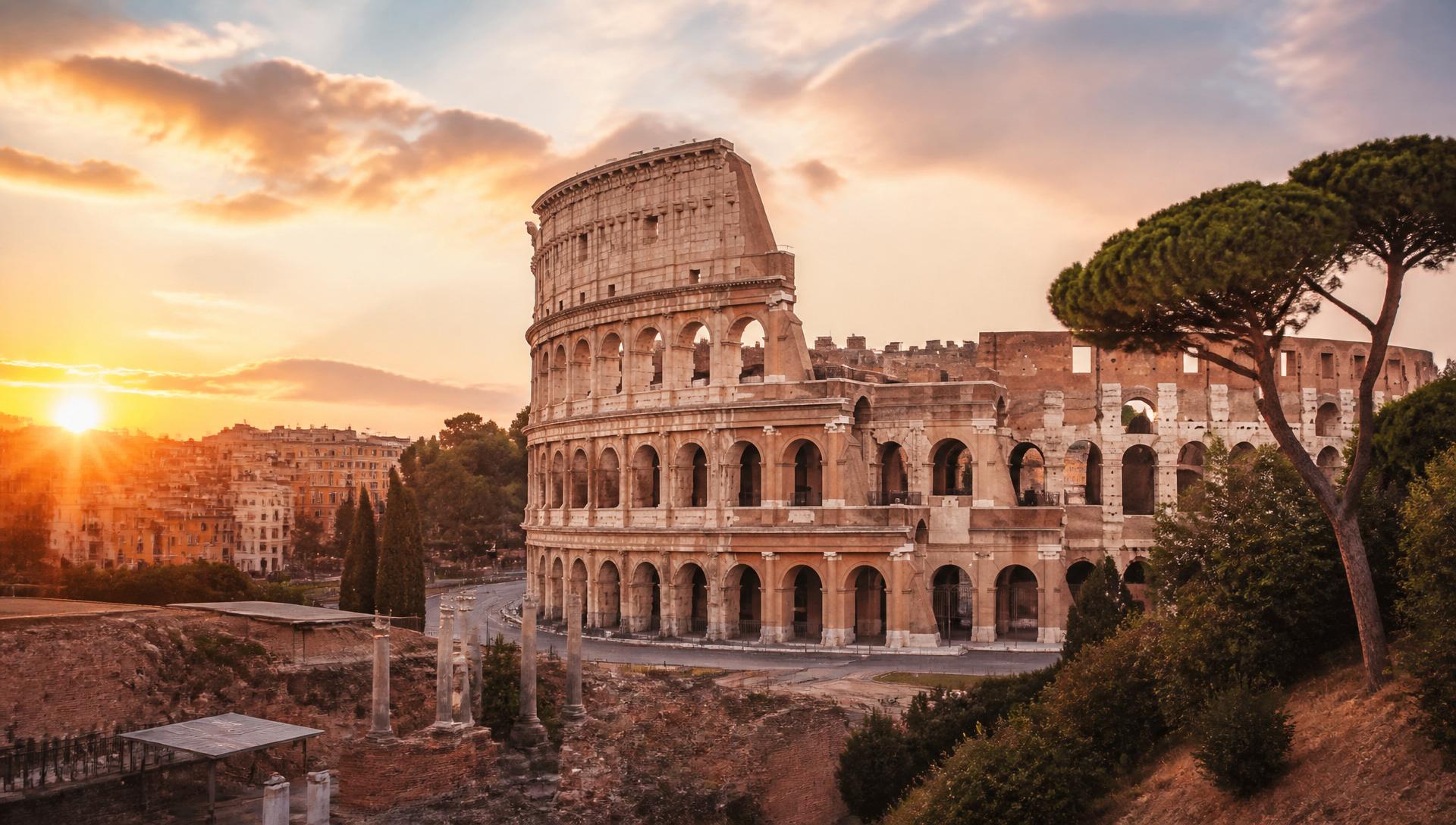
It's almost 2,000 years old, it held 50,000 roaring spectators, and yes, it's as staggering in person as you hope. The Colosseum is the one paid attraction in Rome nobody should skip. But the queues are legendary, so book a timed ticket ahead, ideally a combined one that includes the Roman Forum and Palatine Hill next door, and go early or late to dodge both the crowds and the heat. A guided tour brings the ruins to life in a way the silent stones can't on their own. We'll tell you which ticket combination is worth it.

activity

The Vatican Museums and the Sistine Chapel

The Vatican Museums are overwhelming in the best and worst senses: miles of corridors, centuries of treasure, and at the end of it, Michelangelo's ceiling in the Sistine Chapel. The crowds are intense and the queue without a ticket can eat half your day, so a skip-the-line or early-access tour is one of the few "splurges" that genuinely pays for itself here. Go for opening time or late afternoon. We'll help you decide between a self-guided skip-the-line entry and a proper guided tour.

food

A food tour through Trastevere

Trastevere is Rome's most photogenic neighbourhood, all ivy and cobbles and washing strung between buildings, and it's where the eating gets serious. A guided food tour here is the fast track to understanding Roman cuisine: cacio e pepe, supplì, proper gelato, and the difference between a tourist trap and the real thing. Or do it yourself with our pointers, because away from the main squares the prices drop and the food gets better. Either way, come hungry.

activity

The free Rome that costs nothing

Here's the budget traveller's secret: some of Rome's best moments are free. Toss a coin in the Trevi Fountain, climb the Spanish Steps, stand under the open oculus of the Pantheon (free to enter), wander the Forum's edges, and hike up the Gianicolo for the finest panorama in the city. String these together and you've got a full, glorious day that costs you nothing but shoe leather. We'll give you a walking route that links the best of them.

activity

A day trip to Pompeii or the Roman countryside

If you've got a spare day, Rome is a springboard. The ruins of Pompeii, frozen by Vesuvius, are a few hours south and make an unforgettable contrast to the city. Closer in, the Appian Way and the Castelli Romani hill towns offer vineyards, lakes, and a slower pace. These trips are far easier booked as an organised tour with transport included, since the logistics solo can eat your day. We'll help you weigh the day-trip options against just enjoying more of Rome itself.

Frequently asked questions

Rome is mid-priced for Western Europe. Backpackers manage on 65-90 EUR a day and a comfortable mid-range trip with a hotel near the historic centre, trattoria dinners and skip-the-line tickets runs 170-260 EUR a day. Central hotels and Vatican or Colosseum guided tours are the biggest costs.

Four days is a good length. That covers the Colosseum and Forum, the Vatican and St Peter's, the Pantheon, Piazza Navona and Trevi, plus Trastevere and a Villa Borghese afternoon. Add a day for Ostia Antica or a Frascati wine trip.

April to June and September to October are ideal, with warm weather and manageable crowds. July and August are hot (often 35C+) and busy, and Romans leave the city in August so many small trattorias close. Winter is mild and much cheaper.

Yes, always book skip-the-line tickets online for the Colosseum, Palatine and Forum combo and for the Vatican Museums and Sistine Chapel. Walk-up queues can be two to three hours in summer. Book at least a week ahead in high season and choose the earliest slots for smaller crowds.

Rome is very safe from violent crime but pickpocketing is a real issue on the metro (especially line A), buses 40 and 64 to the Vatican, around Termini station and at Trevi Fountain. Wear bags in front, keep phones secured, and be firm ignoring bracelet touts and 'petition' distractors.

Avoid restaurants with photo menus and touts outside on the main tourist squares. Walk five minutes into Trastevere, Monti, Testaccio or the Prati backstreets for genuine trattorias serving proper cacio e pepe, carbonara and amatriciana at fair prices. Book popular places at dinner in high season.