Lisbon, Portugal

Lisbon

PortugalEurope

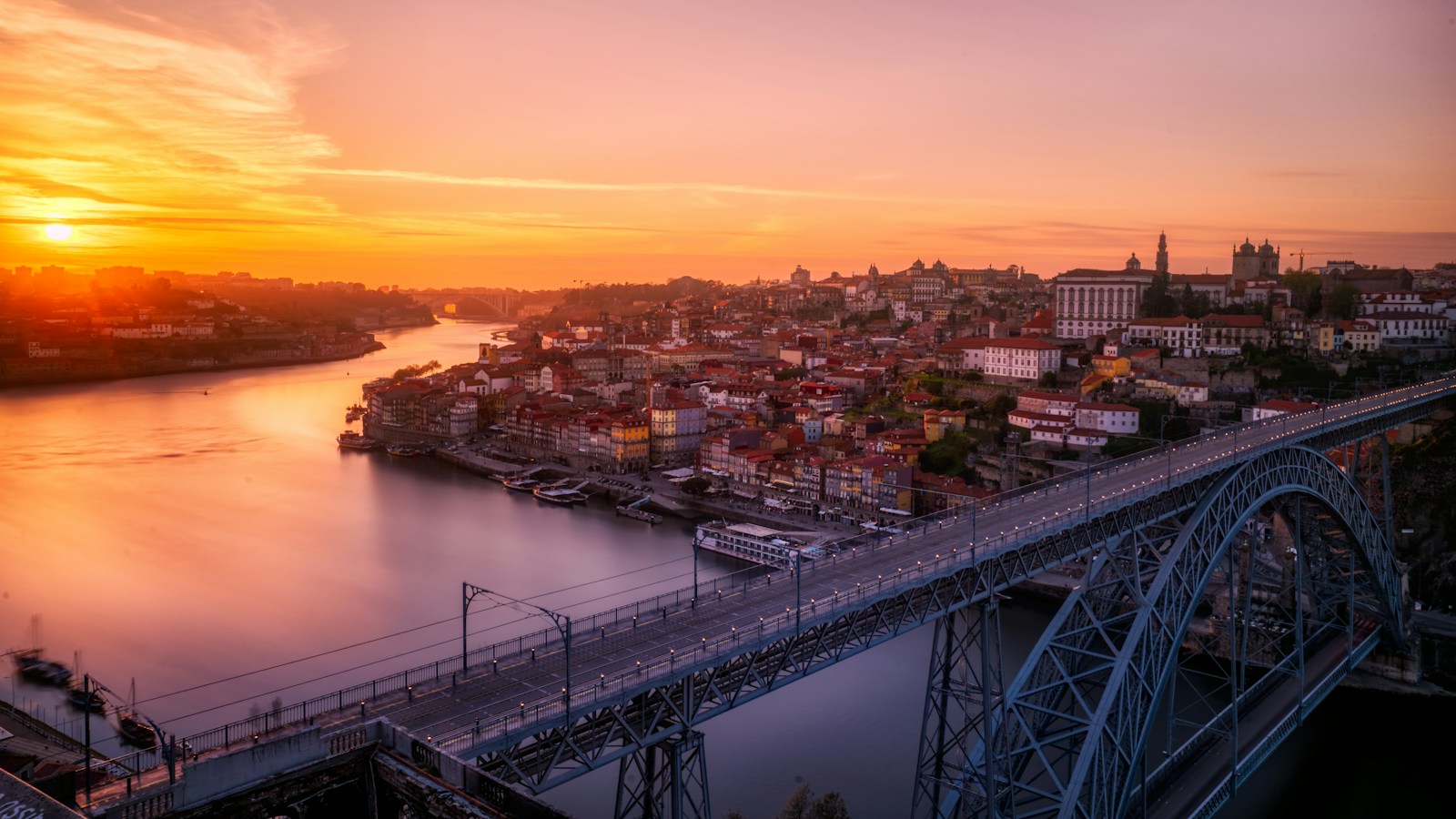
Lisbon is the kind of city that makes you wonder why you waited so long to visit. It tumbles down seven hills to the river in a cascade of pastel buildings, yellow trams rattle up impossibly steep streets, and every few corners opens onto a miradouro, a viewpoint, where the whole city spreads out below you in the golden Atlantic light. There is a melancholy beauty to the place, captured in the mournful fado music drifting out of Alfama's tiny bars at night, and yet it feels warm, alive, and endlessly welcoming. For the budget traveller, Lisbon is one of Western Europe's great bargains, though that's a secret getting out fast. The food is brilliant and cheap, the famous viewpoints cost nothing, the trams double as sightseeing for the price of a bus ticket, and you can eat like royalty at a neighbourhood tasca for the price of a sandwich back home. It's a city that gives generously to travellers who explore on foot, follow their nose to the smell of grilling sardines, and aren't afraid of a hill or two. We'll show you how to soak up the best of it without spending much at all.

Best time to visit

The shoulder seasons are the sweet spot: roughly April to May and September to October, when the weather is warm, the light is glorious, and the crowds and prices sit below the summer peak. For the best value, come in the depths of winter, which Lisbon's mild climate makes surprisingly pleasant. January and February deliver the lowest prices, with mid-range hotel rooms dropping to around €80 to €120 against €200 to €320 in July and August, a saving of 40 to 60% on accommodation alone. November and March offer secondary value, with fewer tourists and a more local feel as Lisboners reclaim their restaurants and neighbourhoods. Winter brings rain on perhaps ten to fifteen days a month, but rarely all day, so pack a light rain jacket and stay flexible.

What it costs

Per person, per day, not counting flights.

Backpacker

around €50 to €70 a day. That covers a hostel dorm, tasca meals and markets, public transport, and the city's many free viewpoints and attractions. Dorm beds run roughly €18 to €30 in low season, rising to €25 to €40 in peak months.

Mid-range

around €100 to €150 a day. This allows a private room or three-star hotel, proper restaurant meals, and paid attractions. Mid-range hotels in central areas like Baixa sit at €110 to €180 a night, though staying in neighbourhoods like Intendente, Anjos or Arroios cuts that by 20 to 30%.

Luxury

€200 a day and up.

Things to do in Lisbon

Tour listings load once you accept cookies.

A place to visit in Lisbon

Hand-picked experiences we'd actually recommend. Tap any one to read more and book.

activity

Chase the viewpoints across Alfama

Lisbon's miradouros are its greatest free gift. Scattered across the hills, these viewpoints serve up sweeping vistas of terracotta rooftops, the river, and the castle, and they cost nothing but the climb to reach them. The oldest district, Alfama, is laced with them, a maze of narrow lanes, washing lines, and fado music where getting lost is the whole point. Spend a morning wandering uphill from one viewpoint to the next, and you'll have seen the soul of the city without spending a cent. We'll map out a route linking the best of them.

activity

Ride Tram 28 through the old city

The number 28 tram is a Lisbon institution: a vintage yellow streetcar that rattles and screeches its way through the oldest, most atmospheric neighbourhoods, climbing hills no normal vehicle could manage. It's effectively a sightseeing tour for the price of a public transport fare, passing the cathedral, the castle district, and countless postcard views. Go early or late to dodge the worst crowds, and hold on tight. We'll tell you where to hop on to get a seat and what to look out for along the way.

activity

São Jorge Castle and the view from the top

Crowning the highest hill in the old city, the Moorish São Jorge Castle is one of Lisbon's few big-ticket paid sights genuinely worth the entry. The ramparts give you the finest panorama in the city, peacocks roam the grounds, and the history runs back over a thousand years. Go near sunset if you can, when the light turns the whole city gold. Book ahead in peak season to skip the queue. We'll tell you the best time to go and how to combine it with the Alfama wander below.

food

Eat sardines, bacalhau and pastéis de nata

Lisbon is a feast for budget eaters. The trick is to skip the tourist traps around the main squares and find a neighbourhood tasca, where a generous plate of grilled sardines or bacalhau, the beloved salt cod, costs €10 to €16 and tastes far better. Finish with a pastel de nata, the warm custard tart that Lisbon does better than anywhere, ideally at one of the famous bakeries in Belém. A guided food tour is a great way to learn the city's flavours, or follow our pointers and eat your way around on your own.

tour

A day trip to the fairytale palaces of Sintra

Just a short train ride from the city, Sintra is pure fantasy: a green hillside studded with extravagant palaces, the candy-coloured Pena Palace, the mysterious Quinta da Regaleira with its initiation well, and misty forest gardens. It's one of the most magical day trips in Europe, and easily done independently by cheap train, or as an organised tour if you'd rather have the logistics and the hilltop transport sorted for you. Go on a weekday morning to beat the queues, which stretch long by midday in summer. We'll help you decide between the DIY train trip and a guided day tour.

Frequently asked questions

Lisbon is Western Europe's best-value capital. Backpackers manage on 55-75 EUR a day and a comfortable mid-range trip with a nice hotel, seafood dinners and a day-trip to Sintra runs 130-190 EUR a day. Wine, coffee and pastel de nata are very cheap. Central Airbnb has pushed up hotel prices in recent years.

Four days is ideal. That covers Alfama, Baixa and Chiado, Belem for the Jeronimos Monastery and pasteis, LX Factory and Time Out Market, plus a day in Sintra and one in Cascais or on the Setubal beaches.

April to June and September to October are ideal, with warm weather, blue skies and manageable crowds. July and August are hot and busy. Winter is mild (10-16C), rainy at times, and hotels are much cheaper.

Lisbon is very safe from violent crime but has notable pickpocketing on tram 28, the funiculars, the metro and around Alfama viewpoints. Keep phones and wallets in front pockets and be alert in crowds. Petty drug sellers offering hash to tourists in Baixa are common but harmless if you ignore them.

Yes, book Pena Palace and Quinta da Regaleira online with timed entry, ideally the first slot of the day. Sintra becomes very crowded by mid-morning in high season. Take the train from Rossio (40 minutes), then use the tourist bus or a pre-booked driver to link the palaces.

The hills are steep but part of Lisbon's charm. The famous yellow trams and hillside funiculars (Bica, Gloria, Lavra) exist precisely because of them. Comfortable shoes matter. Anyone with mobility issues should base themselves in flat Baixa rather than up in Alfama or Bairro Alto.