

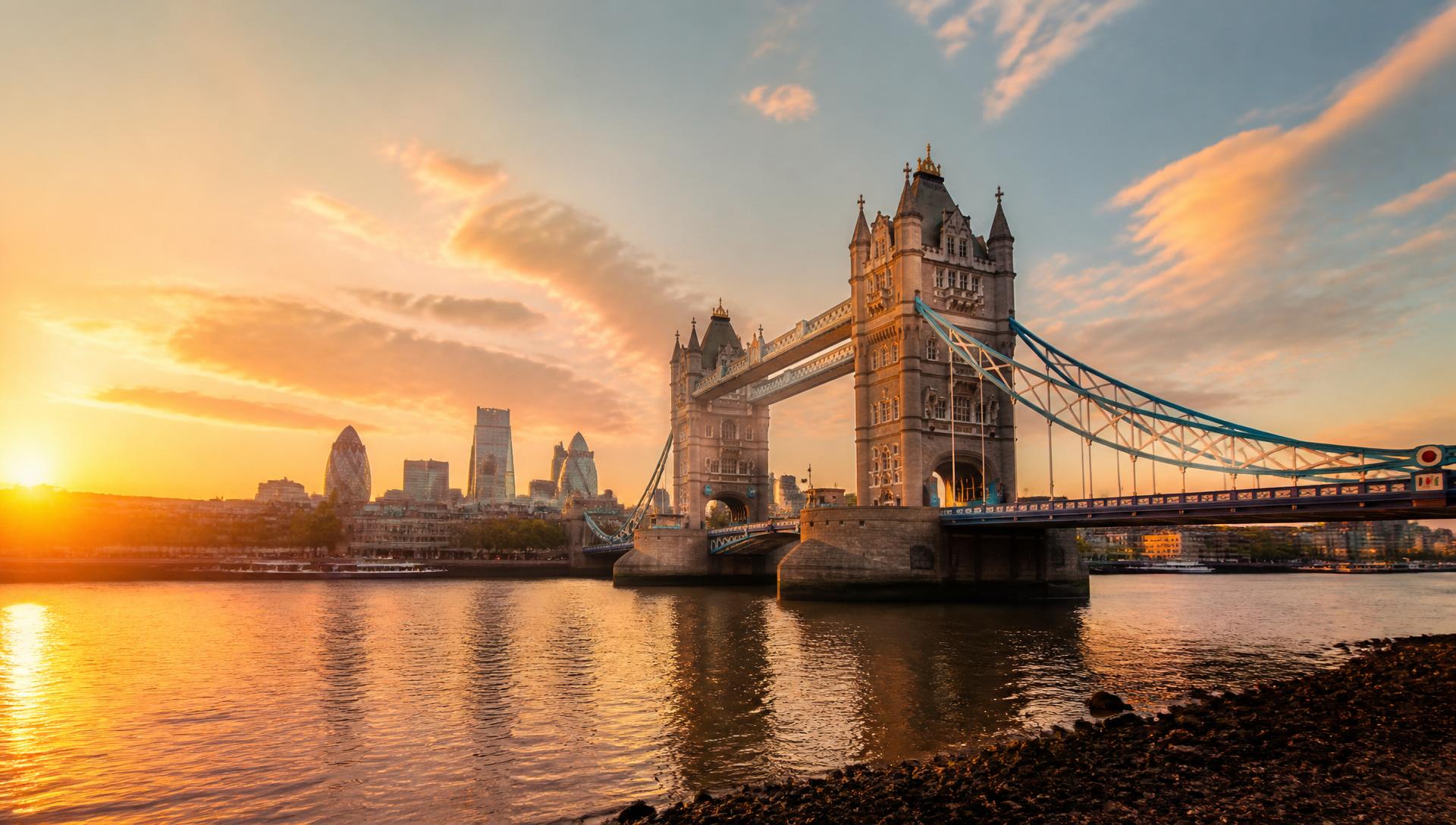
London, United Kingdom

London

United KingdomEurope

People love to tell you London is too expensive, too grey, too busy. Ignore them. Yes, it can swallow money if you let it, but here's the secret the guidebooks bury: some of the best things in this city cost nothing at all. The British Museum is free. The National Gallery is free. The parks, the markets, the walk along the South Bank at dusk with the whole skyline lit up, all free. London rewards the curious far more than it rewards the wealthy. It's a city you read about your whole life and then arrive to find it's somehow bigger and stranger and more itself than you imagined. One street is all glass towers and the next is a 300-year-old pub. You'll hear forty languages on a single bus ride. Give it a few days and a bit of a plan, and London stops being intimidating and starts feeling like somewhere you could actually belong. We'll show you how to do it without the eye-watering bill.

Best time to visit

Late spring (April to early June) and early autumn (September to October) are the sweet spot: milder weather, long days, and the crowds thinner than the summer peak. If your budget matters more than your tan, the real savings are in winter. Hotel prices spike dramatically in peak season from June to August, while January and February still offer the best rates, with savings of up to 35% compared to summer. London in winter has its own pull anyway: cosy pubs, fewer queues, and the same free museums keeping you warm and entertained for nothing. Whatever month you pick, pack for rain. It's not a cliché, it's a planning instruction.

What it costs

Per person, per day, not counting flights.

Backpacker

around £60 to £95 a day. A budget traveller needs £54 to £95 per person per day: a hostel dorm at £25 to £45, supermarket and budget meals, the Underground daily cap, and London's free museums and attractions. A realistic shoestring budget is roughly £70 to £85 a day if you play it well, covering a hostel bunk, three budget meals, a capped Oyster card, and the occasional pint.

Mid-range

around £165 to £275 a day. Mid-range visitors spend £160 to £275 daily: a budget hotel at £80 to £130, three restaurant meals, paid attractions, and some entertainment.

Luxury

£600 a day and well beyond, as far as you care to go.

Things to do in London

Tour listings load once you accept cookies.

A place to visit in London

Hand-picked experiences we'd actually recommend. Tap any one to read more and book.

activity

The free museums that would cost a fortune anywhere else

This is London's best-kept open secret. The British Museum, the National Gallery, the Tate Modern, the Natural History Museum, the V&A: all free to walk into, all world-class, any of which would charge you handsomely in another city. You could fill three days and not spend a penny on entry. The trick is to go in with a plan (pick a few rooms, not the whole building) and visit during late openings when the crowds thin out. We'll point you to the highlights worth your time in each.

activity

The Tower of London, done right

The Tower is one of the few big-ticket paid attractions genuinely worth the money: a thousand years of history, the Crown Jewels, and the Yeoman Warders whose tours are far funnier than you'd expect. It isn't cheap, so book ahead online to skip the queue and save on the gate price, and go early before the coach tours arrive. We'll tell you what to prioritise inside so you're not overwhelmed.

food

Eat your way around Borough Market

Borough Market is the best free entertainment in London for anyone who likes food. Centuries old, packed with traders handing out samples, and the ideal spot to assemble a lunch far better and cheaper than any tourist-trap restaurant nearby. Wander, graze, and eat your haul by the river. A guided food tour is a great way to learn the stalls worth your money, or do it yourself with our pointers on what to try and when to go to dodge the crush.

tour

See the city from the river (for the price of a bus fare)

Everyone photographs the London Eye, but here's the better-value tip: the Thames Clipper river bus is part of the public transport network, so you can sail past the Tower, Tower Bridge, the Globe and the South Bank for close to the price of a normal fare, no pricey sightseeing ticket needed. If you do want the full narrated cruise or a sunset trip, those exist too. We'll help you choose between the budget river-bus hack and the proper cruise.

Frequently asked questions

London is expensive but flexible. Backpackers scrape by on 85-110 GBP a day with hostels and supermarket meals. A comfortable mid-range trip with a decent zone 1-2 hotel, restaurants, tickets and pub evenings runs 220-350 GBP a day. Hotels and West End theatre are the biggest costs.

Five days is a good first-visit length. That covers Westminster, the British Museum, Tower of London, South Bank and Borough Market, a West End show, plus Camden or Shoreditch, and a day-trip to Greenwich or Windsor. London easily justifies a week or more.

May, June and September are ideal, with long days and comfortable weather. July and August are warm, busy and coincide with school holidays. Winter is cold, wet and dark by 4pm but Christmas markets and museums are excellent, and hotel prices drop outside December.

Central London is safe by day and generally fine at night. Main issues are pickpocketing on the Tube, at Oxford Circus, Camden and around the West End, plus phone-snatching by moped riders. Keep phones off the pavement and out of open bags, and use black cabs or Uber late at night.

Use the Tube, buses and trains with a contactless bank card or Apple Pay — no need to buy an Oyster card unless you want one. Daily and weekly fare caps apply automatically. Uber and black cabs cover late nights. Central London is very walkable between neighbouring areas.

London in winter is atmospheric, cheaper (outside Christmas week) and museums are quiet. Christmas lights on Regent Street, ice-skating at Somerset House and pantomime season are highlights. Just pack layers, a waterproof, and accept short daylight hours. Book indoor-heavy itineraries.