Sydney, Australia

Sydney

AustraliaOceania

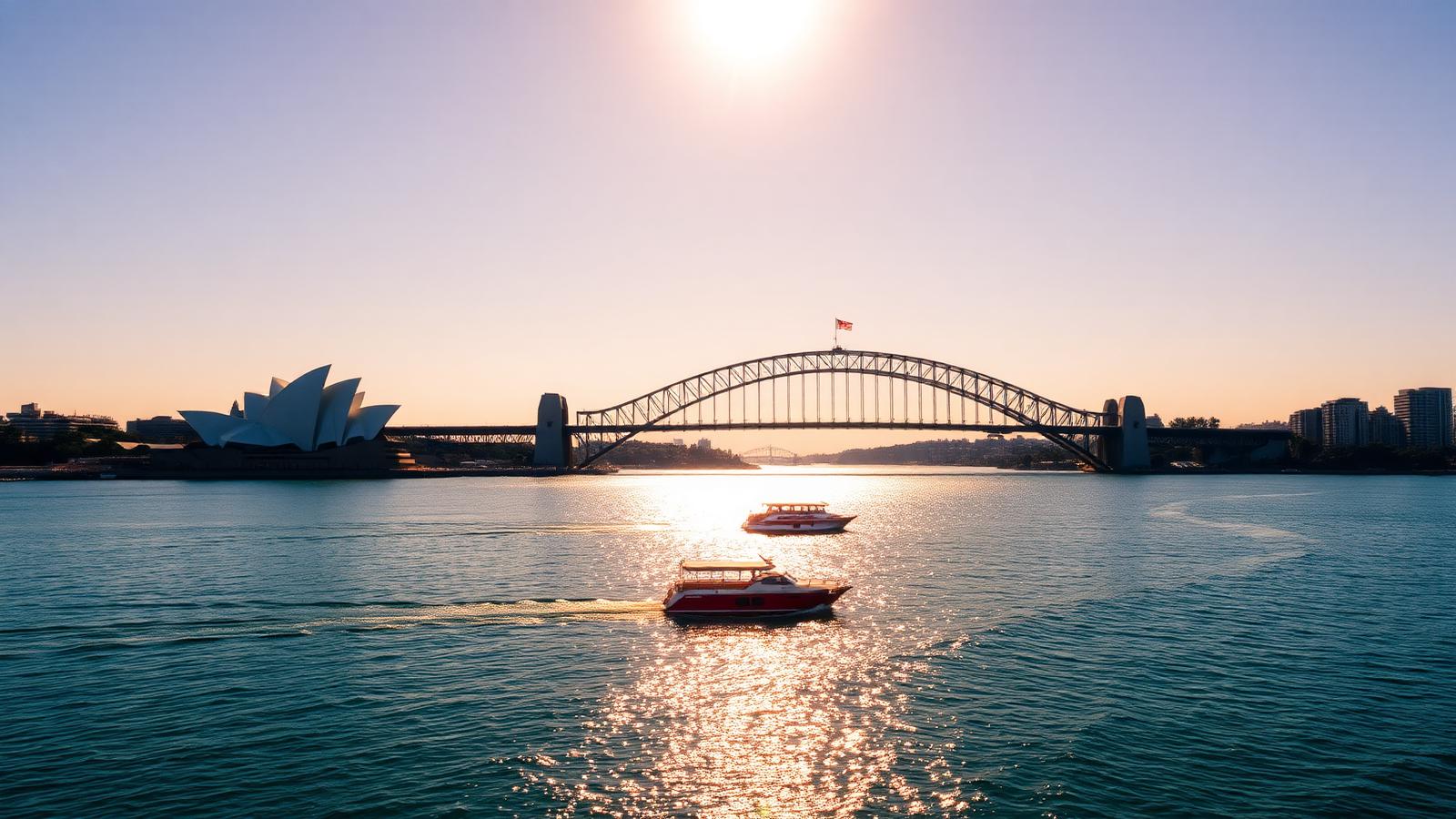
Sydney is the city that greets you with one of the world's great views. As you arrive, the sails of the Opera House and the great steel arch of the Harbour Bridge rise from a sparkling blue harbour dotted with ferries and sailboats, framed by golden beaches and headlands. It's one of the most beautiful and liveable cities on earth, a sun-drenched place where the outdoor life rules: surfing at Bondi, walking the dramatic coastal cliffs, picnicking in the Botanic Gardens, and finishing the day with a harbourside sunset. Add a superb food scene and an easygoing, friendly spirit, and it's easy to see why Sydney charms almost everyone who visits.

Here's the honest budget picture, told straight: Australia is an expensive country, among the priciest destinations travellers visit, and Sydney is its most costly city, so come prepared for higher prices than back home, especially on accommodation, eating out and drinking. But the brand promise holds beautifully here, because Sydney's very best experiences are free. The harbour, the beaches, and some of the most spectacular coastal walks anywhere cost nothing at all, and the ferries double as cheap harbour cruises for the price of a bus fare. Eat smart, self-cater where you can, and lean on the free outdoors, and this world-class city is far more achievable than its reputation suggests. We'll show you how.

Best time to visit

Sydney sits in the southern hemisphere, so the seasons are flipped. The best times to visit are the shoulder seasons of spring (September to November) and autumn (March to May), with warm, pleasant weather, fewer crowds, and lower prices than the peak. Summer (December to February) is hot, lively and the most popular and expensive time, peaking sharply around Christmas and New Year (when the famous harbour fireworks draw huge crowds and prices soar), so book far ahead or avoid those dates. Winter (June to August) is mild rather than cold, the quietest and cheapest season, with plenty of clear days and savings of up to 20% on accommodation. The shoulder months give the best balance of weather and value.

What it costs

Per person, per day, not counting flights.

Backpacker

around £40 to £60 a day. That covers a hostel dorm at £18 to £28, self-catering and cheap eats (food courts, RSL clubs, supermarket cookouts), capped public transport, and the city's many free attractions.

Mid-range

around £100 to £160 a day. This allows a comfortable hotel or apartment at £75 to £140, restaurant meals, mixed transport, and paid attractions and a day trip.

Luxury

£280 a day and up, with harbourfront hotels and fine dining setting the ceiling.

A place to visit in Sydney

Hand-picked experiences we'd actually recommend. Tap any one to read more and book.

activity

See the Opera House and Circular Quay

The heart of Sydney is its harbour, and the area around Circular Quay is where the icons gather. The Sydney Opera House, with its famous sail-like shells, is free to admire from the outside and stroll around (tours inside cost extra), while the great Harbour Bridge arches alongside. Walk through the historic Rocks district, the city's oldest quarter, and out to Mrs Macquarie's Chair for the classic postcard view of both icons together. It's all free to wander and best at sunset. We'll map out a harbour walking route taking in the best views and the free highlights.

activity

Walk the Bondi to Coogee coastal path

This is one of the world's great city walks, and it's completely free. The Bondi to Coogee coastal walk follows the dramatic clifftops for around six kilometres, linking a string of stunning beaches, rock pools and lookouts, with the famous Bondi Icebergs ocean pool at the start. You can swim, sunbathe, and stop for a coffee along the way, or just soak up the spectacular Pacific views. Allow a few hours and take your swimmers. It's the essence of Sydney's outdoor beach culture, and it costs nothing. We'll point you to the best stops, swimming spots, and the photo viewpoints along the route.

activity

Ride the ferries and explore the harbour

Sydney's ferries are both transport and one of its best-value experiences, since for the price of a normal Opal fare you get a glorious harbour cruise. The standout is the ferry to Manly, gliding past the Opera House and out across the harbour to a relaxed beach suburb with its own ocean and harbour beaches. Other ferries reach Watsons Bay (great for fish and chips and clifftop views) and Cockatoo Island. It's the cheapest harbour cruise you'll find. We'll suggest the best ferry routes for the views and how the Opal fare cap makes a day of harbour-hopping affordable.

activity

Relax in the gardens, galleries and beaches

Beyond the icons, Sydney has a wealth of free and low-cost pleasures. The Royal Botanic Garden wraps around the harbour beside the Opera House, free to wander with superb views, and the excellent Art Gallery of New South Wales has free general entry. The city's beaches, from world-famous Bondi to quieter Manly and Coogee, are all free, perfect for swimming, surfing or a beach barbecue (the free public BBQs are a local institution). These give you the best of Sydney's outdoor life for little or nothing. We'll point you to the best free gardens, galleries and beaches.

tour

Escape to the Blue Mountains

Just a couple of hours from the city lie the Blue Mountains, a stunning World Heritage region of dramatic sandstone cliffs, eucalyptus forests (whose haze gives the mountains their blue tint), and sweeping valley views. The highlight is the Three Sisters rock formation at Katoomba, with excellent free lookouts and a network of bushwalking trails. The brilliant budget secret is that you can reach it cheaply by train from Sydney and explore the lookouts and trails for free, rather than paying for a tour. It's the perfect natural day trip. We'll explain how to get there by train affordably and the best free walks and viewpoints.

Frequently asked questions

Australia is expensive and Sydney is its priciest city, comparable to a major Western European capital. Backpackers manage on £40-60 a day and a mid-range trip runs £100-160. Accommodation and eating out are the big costs, so self-catering, food courts, Chinatown and RSL clubs are your budget friends. The best experiences (the harbour, beaches and coastal walks) are free.

The shoulder seasons of spring (September-November) and autumn (March-May) are ideal, with warm pleasant weather, fewer crowds and lower prices. Summer (December-February) is hot and lively, peaking sharply around Christmas, New Year and the famous harbour fireworks, when rooms book out months ahead. Winter (June-August) is mild rather than cold, quiet and cheapest, with plenty of clear days.

An enormous amount. The Opera House exterior, the Rocks, Mrs Macquarie's Chair viewpoint, the Royal Botanic Garden, Barangaroo Reserve and the Art Gallery of NSW are all free. The world-class Bondi to Coogee coastal walk, all Sydney's beaches, and the public BBQs on the sand cost nothing. Even the ferries double as harbour cruises for the price of a normal Opal fare.

Get an Opal card and use the daily fare cap, which caps your spend across trains, buses and ferries. Ferries are the standout: the ride to Manly is one of the world's great harbour cruises for a normal fare. Walking works well in the central and beach areas. For late-night trips or the airport, rideshares are usually cheaper than the airport train.

Yes, and you can do it cheaply. The Blue Mountains sit a couple of hours from the city and the highlight is the Three Sisters rock formation at Katoomba, with excellent free lookouts and a network of bushwalking trails. Take the direct train from Central Station for a fraction of tour prices and explore the lookouts and walks independently. Wear layers, weather changes fast up there.

Four full days is a good starting point: one for the harbour and Opera House area, one for the Bondi to Coogee walk and beaches, one for the ferries and Manly, and one for a Blue Mountains day trip. Five to seven days lets you add Taronga Zoo, the northern beaches, or a wine day trip to the Hunter Valley without rushing.