Buenos Aires, Argentina

Buenos Aires

ArgentinaSouth America

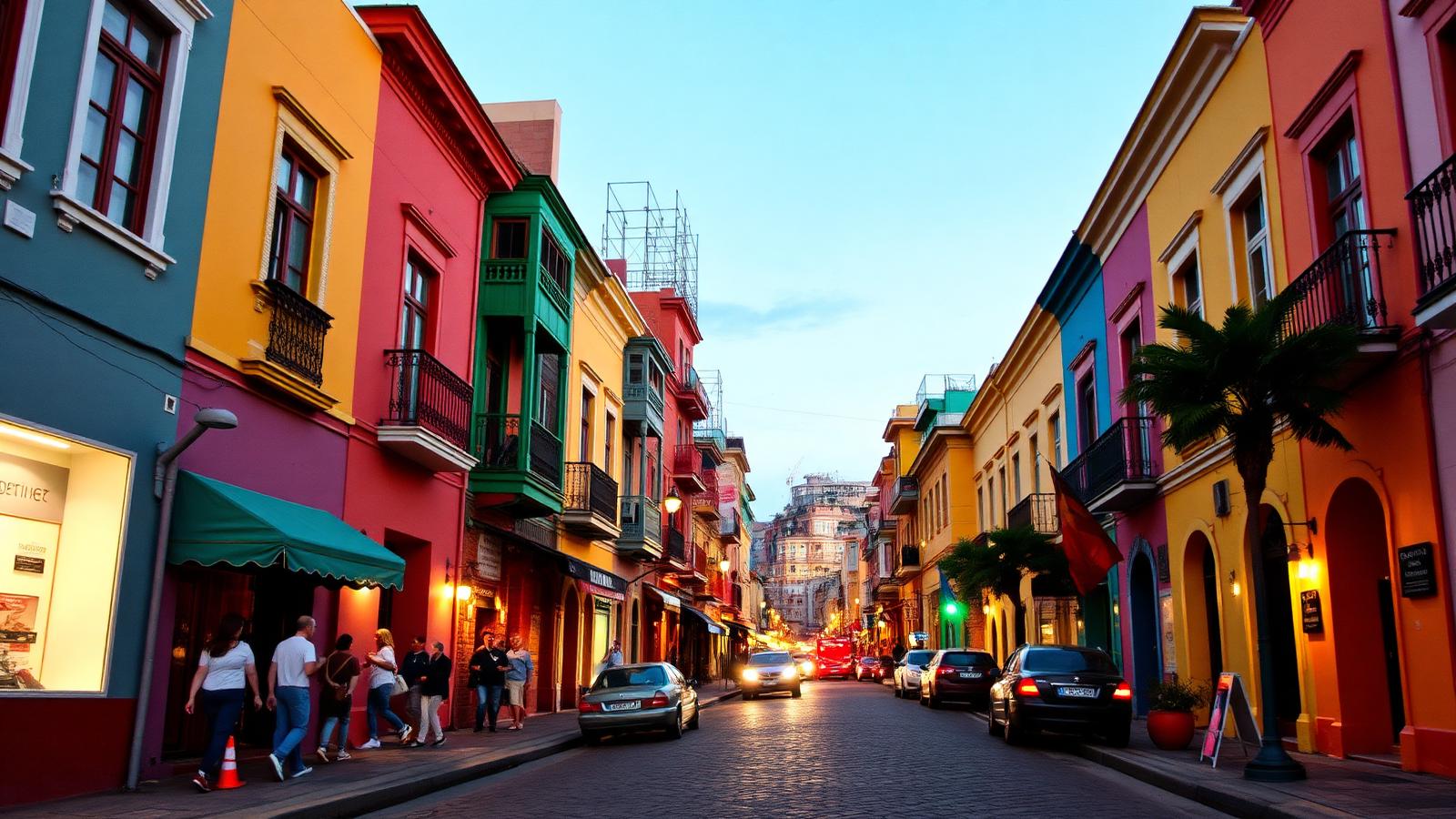
Buenos Aires is the most European of South American cities, and one of its most captivating. The Argentine capital is a place of grand boulevards and ornate French-style palaces, of faded glamour and fierce passion, where tango spills from the cobbled streets of San Telmo, the cafés are works of art in themselves, and the nightlife runs until dawn. It's a city of distinct neighbourhoods, each with its own character: leafy, fashionable Palermo, elegant Recoleta with its extraordinary cemetery, colourful working-class La Boca, and the historic heart around the Plaza de Mayo. Add some of the best steak and wine on earth, and you have a city that seduces almost everyone who visits.

Here's the honest budget picture, and it's a happy one: Buenos Aires is one of the most affordable major capitals in South America for international visitors, and your money goes a long way here, especially on the things the city does best, food, wine and culture. A superb steak dinner costs a fraction of what it would in Europe, a glass of excellent Malbec is pocket change, the subway costs pennies, and many of the city's joys, the architecture, the parks, the street tango, the free museums, cost nothing. There's one quirk worth understanding about Argentina's money, which we'll explain, since getting it right makes everything noticeably cheaper. We'll show you how to enjoy this grand city well and cheaply.

Best time to visit

Buenos Aires sits in the southern hemisphere, so its seasons are flipped. The best times to visit are the shoulder seasons of spring (October to November) and autumn (March to May), with mild, pleasant weather, and spring brings the beautiful purple jacaranda blooms across the city. Summer (December to February) is hot and humid, and many locals leave the city for the coast, so some restaurants and venues close, though prices can dip. Winter (June to August) is cool but rarely cold, quiet, and the cheapest time, with rates 20 to 30% below peak. For the best balance of weather, atmosphere and value, the shoulder months are ideal.

What it costs

Per person, per day, not counting flights.

Backpacker

around £20 to £40 a day. That covers a hostel dorm at £10 to £20 (San Telmo and Palermo have the most), empanadas and cheap eats, the very cheap subway, and the city's many free attractions.

Mid-range

around £50 to £100 a day. This allows a comfortable hotel or apartment at £45 to £85, restaurant meals including a proper steak dinner, taxis, and paid attractions and a tango show.

Luxury

£160 a day and up, and the city's grand hotels and fine dining are world-class for the price.

A place to visit in Buenos Aires

Hand-picked experiences we'd actually recommend. Tap any one to read more and book.

activity

Experience tango, from milongas to the street

Tango was born in Buenos Aires, and it's woven into the city's soul. You can experience it at every budget: a polished dinner-and-tango show is the splurge option, beautiful but pricey, while the authentic, affordable way is to visit a milonga (a social dance hall), where locals dance for the price of a drink and you can watch or join in. Best of all, it's often free: catch street tango in the squares of San Telmo and the lanes of La Boca, and many hostels and the Sunday San Telmo market offer free lessons. We'll explain the options, from free street tango to milongas, and how to enjoy each.

activity

Wander San Telmo and La Boca

Two of the city's most atmospheric neighbourhoods tell its story. San Telmo is the oldest barrio, a maze of cobbled streets, antique shops and cafés that hosts a famous, sprawling Sunday street market full of crafts, food and tango. A short way south, working-class La Boca is home to the Caminito, a cluster of brightly painted houses and street art, and the legendary Boca Juniors football stadium. Both are wonderful to wander for free (take the usual care with valuables in La Boca, and stick to the main tourist streets). We'll map out the best of both and the timing for the San Telmo market.

activity

Explore elegant Recoleta and its cemetery

The upscale Recoleta district is Buenos Aires at its most refined, with grand French-style architecture, leafy plazas, and the city's most famous sight: the Recoleta Cemetery. This extraordinary city of the dead is a maze of ornate marble mausoleums, including the tomb of Eva Perón, and it's free to wander (a genuinely fascinating, if unusual, highlight). Around it lie excellent museums, including the free National Museum of Fine Arts, and the lively weekend craft fair. It makes a perfect, low-cost day. We'll point you to the cemetery's highlights and the best of Recoleta's free attractions.

food

Feast on steak, wine and empanadas

Buenos Aires is a food lover's dream, and eating well here is gloriously affordable. The star is the parrilla (steakhouse), where a superb cut of Argentine beef with a glass of Malbec costs a fraction of the price it would in Europe, a genuine must-do. Beyond steak, feast on empanadas, choripán, and the city's beloved Italian-influenced pizza and pasta, all cheap and delicious. Finish with dulce de leche in everything. Eat where the locals eat, at bodegones and parrillas away from the tourist spots, for the best value. We'll point you to the dishes to try and how to enjoy a proper asado affordably.

activity

Stroll Palermo's parks and the historic centre

The city's two other essential areas reward unhurried wandering. Trendy Palermo is the largest barrio, full of leafy parks, boutiques, street art, and the best of the city's café and restaurant scene, perfect for a relaxed day on foot or by the free city bikes. The historic centre, meanwhile, holds the grand Plaza de Mayo (with the presidential Casa Rosada), the famous Avenida 9 de Julio with its Obelisco, and the stunning Teatro Colón opera house, one of the world's finest. Most of this costs nothing to admire. We'll suggest a walking route linking the highlights.

Frequently asked questions

Buenos Aires is one of the most affordable major capitals in South America for international visitors. Backpackers manage on £20-40 a day and a mid-range trip runs £50-100, with superb steak dinners, excellent Malbec and grand cafés all at a fraction of European prices. Pay by card wherever possible to get the favourable MEP exchange rate automatically.

Pay by card. Argentina long had a gap between the official exchange rate and a better "real" rate. As of 2026, paying by credit or debit card generally gives you the favourable MEP rate automatically, so the old cash-swapping "blue dollar" workaround is largely unnecessary. Bring some cash as a backup and check the latest situation before you travel.

The shoulder seasons of spring (October-November) and autumn (March-May) are the sweet spot, with mild pleasant weather, and spring brings the beautiful purple jacaranda blooms across the city. Summer (December-February) is hot and humid and many locals leave for the coast, so some venues close. Winter (June-August) is cool but rarely cold, quiet and the cheapest, with rates 20-30% below peak.

At every budget. The polished dinner-and-tango shows are the splurge, beautiful but pricey. The authentic, affordable route is a milonga (a social dance hall), where locals dance for the price of a drink and you can watch or join in. Best of all, catch free street tango in the squares of San Telmo, especially at the Sunday market, and in the lanes of La Boca.

Palermo for parks, boutiques, street art and the best café and restaurant scene. Recoleta for grand architecture and the extraordinary cemetery (free to wander). San Telmo for cobbled streets, antique shops and the famous Sunday market. La Boca for the colourful Caminito, sticking to the main tourist streets. The historic centre for Plaza de Mayo and the Teatro Colón.

Buenos Aires is generally safe by big-city standards, with normal precautions. Watch for pickpockets on the subway and in tourist areas, use Uber or Cabify at night rather than hailing taxis, and stick to the main tourist streets in La Boca (it gets rougher just a few blocks off the Caminito). Palermo, Recoleta and the centre are comfortable to walk day and evening.