Cusco and Machu Picchu, Peru

Cusco and Machu Picchu

PeruSouth America

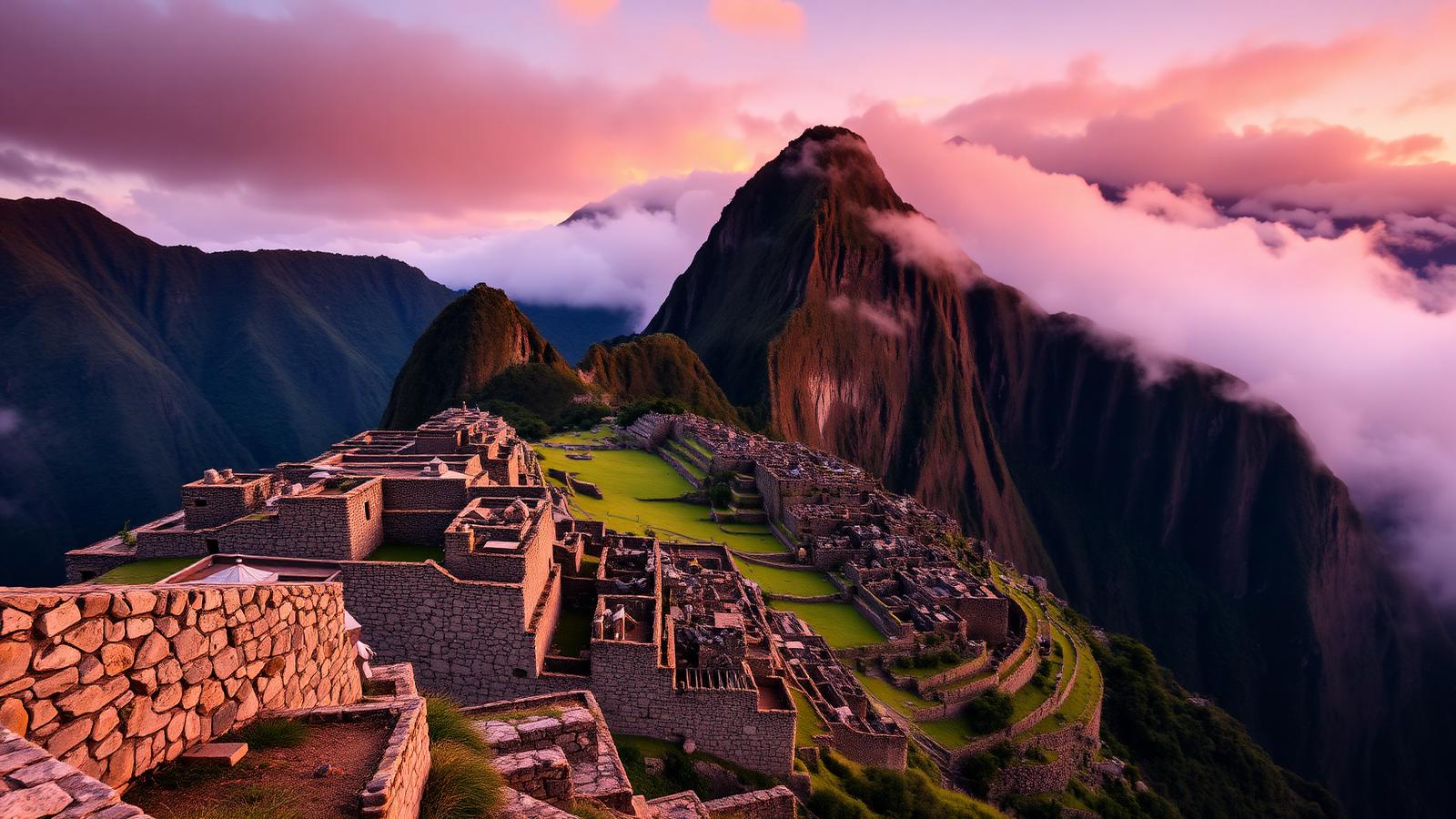
This is the trip of a lifetime for so many travellers, and it lives up to every expectation. Cusco, the ancient capital of the Inca Empire, is a beautiful colonial city high in the Andes, where Spanish churches sit on Inca stone foundations, cobbled lanes climb to the bohemian San Blas quarter, and the air is thick with history and woodsmoke. It's the gateway to the Sacred Valley and, beyond it, to Machu Picchu, the lost Inca citadel that needs no introduction: a city of perfect stonework draped across a knife-edge ridge in the cloud forest, with the green peak of Huayna Picchu rising behind it. Standing there as the morning mist clears is one of the great experiences on earth.

Here's the honest budget picture, and it has a clear shape. Cusco itself is genuinely affordable, one of the best-value cities in the Americas, where hostels, market meals and the city's many sights cost very little. The expense is getting to Machu Picchu, since there's no road, and the combination of train, bus and entrance ticket adds up to a real, mostly fixed cost that dominates the budget. The good news is there are budget routes that cut it sharply, and the brand promise holds: with smart planning, this bucket-list wonder is within reach. We'll show you how to keep Cusco cheap and reach the citadel without overspending. One important note throughout: Cusco sits at 3,400 metres, so altitude is a genuine factor to plan around.

Best time to visit

The dry season (May to September) brings the best weather, clear skies, and the finest Machu Picchu views, which is peak season, with prices 40 to 60% higher and the citadel and Inca Trail booked out months ahead. The wet season (November to March) brings rain, cloud, and muddier trails, but also discounts of 30 to 50% and far fewer crowds, with February the wettest month (and when the Inca Trail closes for maintenance). For the best balance, the shoulder months of April, May, October and early November offer good weather with gentler prices. Whenever you go, build in time in Cusco first to acclimatise to the altitude before any trekking.

What it costs

Per person, per day, not counting flights.

Backpacker

around £30 to £48 a day in Cusco. That covers a hostel dorm at £8 to £16, market and set-menu meals (a menú del día is £2 to £4), walking and cheap taxis, and free walking tours plus a few paid sights.

Mid-range

around £80 to £120 a day. This allows a comfortable hotel at £45 to £80, restaurant meals, taxis, and guided tours including the Sacred Valley.

Luxury

£200 a day and up, with Cusco's boutique hotels among the loveliest in the Andes.

A place to visit in Cusco and Machu Picchu

Hand-picked experiences we'd actually recommend. Tap any one to read more and book.

activity

Witness Machu Picchu

This is the reason you come, and nothing prepares you for it. The Inca citadel sits dramatically on a ridge high above the Urubamba river, its perfect dry-stone terraces and temples backed by the soaring peak of Huayna Picchu, often wreathed in morning cloud. Arriving early, before the day-trippers, gives the most magical light and atmosphere. Your ticket covers a set circuit; an optional extra lets you climb Huayna Picchu for the classic aerial view. A guide brings the history alive. However you reach it, that first sight of the whole citadel laid out below is unforgettable. We'll explain the circuits, the timing, and how to get the best of your visit.

activity

Explore the heart of Cusco

Cusco rewards a few unhurried days, and much of it is free or cheap to enjoy. The grand Plaza de Armas, ringed by colonial arcades and the great cathedral, is the heart of the city, while the Qorikancha (the Inca sun temple, later built over by a convent) shows the astonishing precision of Inca stonework. Wander up to the artsy San Blas quarter for views and craft shops, and lose yourself in the San Pedro market. A free walking tour (tip the guide) is a great introduction. Take it slowly as you acclimatise. We'll map out the best of the centre and which sights are worth the entry.

activity

Discover the ruins above the city

Just above Cusco sit some of the most impressive Inca sites in the region, and they're easily reached. Sacsayhuamán is the giant ceremonial fortress whose colossal interlocking stones, some weighing many tonnes, defy explanation, with panoramic views over the city's red rooftops. Nearby lie the sites of Q'enqo, Puka Pukara and Tambomachay. All are covered by the Cusco Tourist Ticket, so visiting them together is good value, and you can walk up from the city or take a short taxi. They're a brilliant warm-up for Machu Picchu and help with acclimatisation. We'll suggest the best route to link them and how the ticket works.

tour

Journey through the Sacred Valley

Between Cusco and Machu Picchu lies the Sacred Valley of the Incas, a stunning stretch of the Urubamba river dotted with traditional villages, terraced hillsides, and extraordinary ruins. The highlights are the colourful market town of Pisac with its hilltop ruins, and the fortress town of Ollantaytambo, with its steep Inca terraces (and the station for the Machu Picchu train). A full-day group tour is affordable and covers the main sites, or you can travel independently by cheap colectivo. The valley sits lower than Cusco, so it's gentler on the altitude too. We'll explain the tour options and how to combine the valley with your onward journey.

tour

Trek the Inca Trail or the Salkantay

For the adventurous, walking to Machu Picchu rather than taking the train is one of the world's great treks. The classic four-day Inca Trail follows original Inca paths to arrive at the Sun Gate above the citadel at dawn, a bucket-list hike that must be booked months ahead due to strict permit limits. The five-day Salkantay Trek is a spectacular, higher, and often cheaper alternative that doesn't require the same permit. Both are demanding and need good acclimatisation first. They're a bigger spend and effort, but unforgettable. We'll explain the main trek options, what they involve, and how far ahead to book.

Frequently asked questions

A standard train-based visit runs roughly £230-320 per person: entrance ticket around £40, Aguas Calientes bus £19 return, Ollantaytambo train £85-120 return, a night in Aguas Calientes £25-70, and a guide £25-45 if you want one. Cusco itself is cheap by comparison, so budget the Machu Picchu leg as a separate line item.

The Hidroeléctrica route. A shared van from Cusco to Hidroeléctrica station costs £10-15, then it's a free, scenic two-to-three-hour walk along the railway tracks to Aguas Calientes, saving £100 or more against the direct train. It takes far longer, so many travellers do Hidroeléctrica outbound and splurge on the return train.

The dry season (May to September) brings the best weather and clearest citadel views, and the highest prices, with the Inca Trail booked out months ahead. The wet season (November to March) is 30-50% cheaper with fewer crowds but muddier trails, and February closes the Inca Trail entirely. April, May, October and early November are the shoulder sweet spot.

Cusco sits at 3,400 metres, so altitude is a real factor. Spend your first day or two taking it easy, drink plenty of water and coca tea, go gently on alcohol, and eat lightly. Do Machu Picchu (which is actually lower at 2,430 metres) after you've acclimatised, not on arrival. See a doctor about medication like Diamox if you're prone to altitude sickness.

Yes. Entrance tickets are capped daily and sell out weeks ahead in peak season, especially the circuits that include Huayna Picchu. Buy directly from the official government site to avoid reseller mark-ups. Train tickets from Ollantaytambo also sell out. The Inca Trail permit needs booking four to six months ahead through a licensed operator.

The classic four-day Inca Trail is one of the world's great treks, arriving at the Sun Gate above the citadel at dawn, but strict permits mean booking months ahead. The five-day Salkantay Trek is a spectacular, higher, often cheaper alternative without the same permit lottery. Both need good acclimatisation first. If you're short on time or hiking isn't your thing, the train is a beautiful ride in its own right.